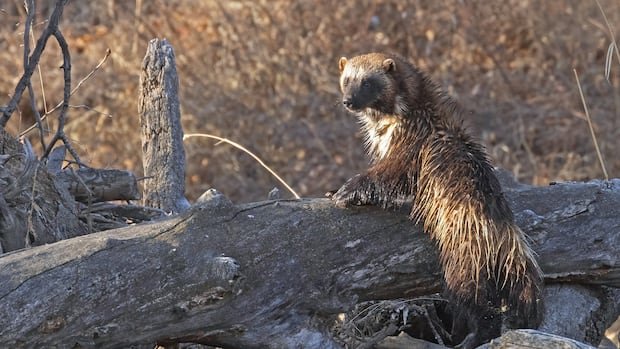


Skiers, snowshoers, and snowmobilers venturing into the wilderness are impacting wolverine populations more significantly than previously thought, as per a recent study. The research conducted across the Columbia and Rocky Mountain regions, including Banff National Park, revealed that areas with higher levels of recreational activities and road infrastructure had fewer wolverines inhabiting those areas.
While it was already known that wolverines tend to avoid human presence, the study indicates that the repercussions extend beyond mere avoidance of hikers on trails. Lead researcher Mirjam Barrueto from the University of Calgary, collaborating with Parks Canada, examined wolverines across an 80,000 square kilometer territory known for being optimal habitat for these creatures.
The study, based on prior estimations, anticipated the capacity to sustain around 500 to 600 wolverines in the area. However, the findings indicated that only approximately 300 wolverines currently reside there. Notably, the study highlighted that winter recreational activities have a more pronounced impact compared to summer pursuits.
Barrueto expressed surprise at the extent to which individuals penetrate remote backcountry areas, initially perceived as untouched wilderness. The study emphasized the vulnerability of female wolverines, particularly during the winter when they give birth and establish dens in specific locations. Disturbances during this period could compel them to abandon food storage areas and expend energy evading humans rather than caring for their offspring.
One proposed solution involves identifying these critical areas and implementing temporary restrictions on human access during the sensitive winter months. The study also noted a decline in female wolverine numbers with an increase in road networks, whereas this trend was not observed for males.
Jason Fisher, a wildlife ecologist and professor at the University of Victoria not involved in the study, emphasized the significance of the findings within mostly undisturbed terrain, such as the Rocky Mountains and national parks, crucial for wolverine populations. Fisher underscored the urgency to address factors contributing to wolverine population decline, including trapping, hunting, vehicle collisions, and habitat protection.
Furthermore, Barrueto emphasized that even minimal human activity, rather than sheer numbers, can disrupt wolverine habitats. Encouraging adherence to established trails instead of creating new ones or venturing off-trail could help preserve wolverine habitats. Fisher stressed the need for immediate conservation efforts to safeguard wolverine populations that have endured for millennia.
In conclusion, the study sheds light on the intricate challenges faced by wolverines in balancing human recreational activities and conservation efforts to ensure the long-term survival of these iconic creatures in their natural habitats.