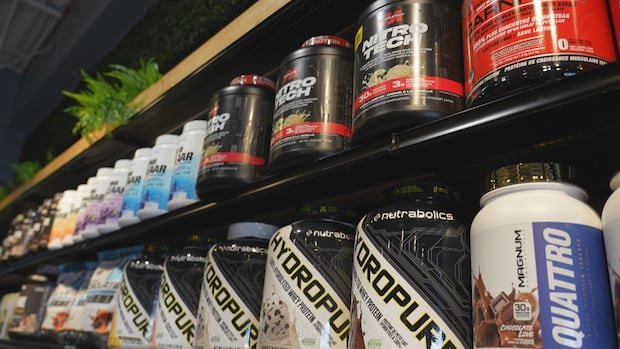


Jennifer Mason, a consumer seeking more protein in her diet, has recently been shocked by the escalating prices of whey protein powder, prompting her to reconsider her purchasing habits as a new mother facing mounting expenses. As a result, she is now focusing on sourcing protein from natural whole foods instead of relying on protein products.
The surge in demand for whey protein among food manufacturers and fast food chains has led to its incorporation into a wide range of products, from snacks to beverages, causing shortages and driving prices to unprecedented levels. This trend has been further exacerbated by the ongoing U.S.-Canada trade conflict, which has added to the cost burden potentially to be borne by consumers.
Various renowned brands are capitalizing on the health-conscious consumer market by infusing whey protein into their offerings, catering to the protein-seeking trend endorsed by fitness influencers. Additionally, individuals taking weight-loss medications like Ozempic are inclining towards higher protein intake to combat muscle loss.
The heightened demand for whey protein concentrate, a key ingredient in high-protein foods, has posed challenges for smaller players in the industry, such as Daryl’s Bars in Tecumseh, Ontario. The escalating prices of whey protein imports from the U.S., which have more than doubled in the past year and a half, have compelled businesses like Daryl’s Bars to raise prices on their protein snacks to offset the soaring costs.
Moreover, the trade tensions between the U.S. and Canada have further strained food manufacturers, with the Canadian government imposing substantial tariffs on American whey imports in response to U.S. tariffs on Canadian goods. This trade dispute has led to higher prices for whey protein in the Canadian market, prompting businesses to explore alternative sourcing options.
Despite efforts to navigate the challenges posed by the trade war and supply chain disruptions, experts predict that consumers may continue to face elevated prices for protein products in the near future. Some individuals are already feeling the financial strain and are considering alternatives, such as plant-based protein options or unprocessed whole foods, as a cost-effective solution amidst the whey protein price surge.