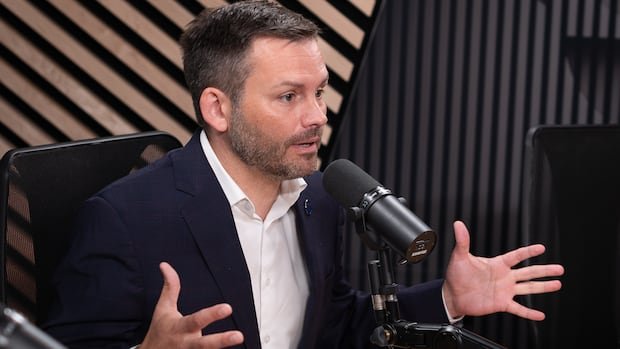


Parti Québécois Leader, Paul St-Pierre Plamondon, revealed in recent media interviews that a sovereignty referendum is not on the immediate horizon. St-Pierre Plamondon stated that the referendum would not be pursued as long as U.S. President Donald Trump is in office until January 20, 2029. This decision leaves a window of about a year and a half for a potential referendum if the Parti Québécois secures a majority in the upcoming October 5 election.
St-Pierre Plamondon emphasized the party’s commitment to addressing issues created by the current Coalition Avenir Québec (CAQ) government. He clarified that while a referendum was always part of the plan within the first four years of his mandate, the specific timing is now being articulated clearly.
The political landscape has been influenced by U.S. policies, notably affecting Canadian politics and strategies, such as Mark Carney’s recent approach. This move aims to shift the narrative from the current government’s performance to future promises.
Notably, the announcement comes amidst economic concerns due to potential U.S. tariffs, with previous tariff impositions significantly impacting Quebec’s economy. Poll analyst Philippe Fournier highlighted that despite the Parti Québécois leading the Quebec Liberal Party in polls, the majority of voters are not in favor of an immediate referendum.
Critics, such as Conservative Party of Quebec leader Éric Duhaime, labeled St-Pierre Plamondon as a “referendum weather vane,” questioning the consistency of his stance on independence. Opposition parties seized the opportunity to challenge the Parti Québécois leader’s decision.
While the announcement aims to reassure voters amidst economic uncertainties, it has sparked mixed reactions from political figures. Quebec Liberal Party Leader Charles Milliard criticized the lack of clarity in the Parti Québécois’ intentions, emphasizing the importance of a coherent political agenda. Current Premier Christine Fréchette condemned the decision as irresponsible given the economic climate.
St-Pierre Plamondon maintains that a referendum remains a priority in the party’s first mandate, aiming to appeal to soft nationalist voters while focusing on replacing the current leadership. However, the effectiveness of this strategy remains uncertain as the election campaign unfolds.