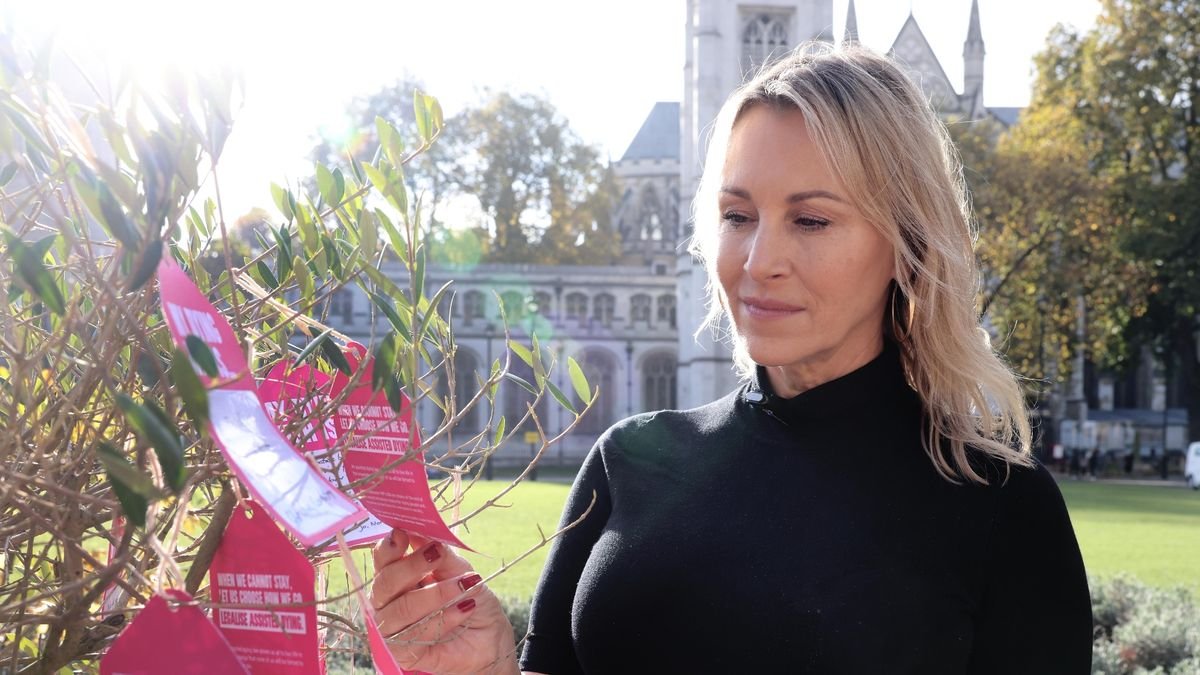


A mother with terminal illness expresses distress over losing friends prematurely due to the Government’s refusal to authorize a life-prolonging medication. Sophie Blake, aged 53 and residing in Brighton, has received a diagnosis of incurable stage four breast cancer.
She is deeply saddened by the denial of access to the innovative drug Enhertu for herself and her friends. Within a short span, she has bid farewell to two close individuals who could have benefited from the ‘precious’ additional time, including a mother with a five-year-old daughter.
Although accessible to women globally, Enhertu is presently withheld from women in England, Wales, and Northern Ireland living with HER2-low stage 4 secondary breast cancer. Despite offering a potential six months of extended life, the drug has not been approved for NHS usage.
“I have witnessed the loss of numerous friends who urgently required this treatment,” shared Sophie recently. She mourns the passing of another advocate and beloved friend, emphasizing the tragic consequences of denied access to life-extending medication.
Sophie, mother to 18-year-old Maya Nicholls-Blake, received her secondary breast cancer diagnosis in May 2022, with the disease spreading to various organs. While currently stable under targeted cancer treatment, she remains apprehensive about the uncertain future, describing her condition as a constant looming threat.
Expressing the profound impact of denied medication, Sophie laments the loss of hope for herself and other women in the region. Despite the drug’s endorsement by oncologists and its acclaimed effectiveness, regulatory decisions have hindered its availability.
The National Institute for Health and Care Excellence (NICE) refusal to approve Enhertu due to cost considerations has sparked backlash from advocacy groups like Breast Cancer Now. Concerns linger over the implications on future drug developments and patient access to advanced treatments.
Sophie underscores the urgency of the situation, highlighting the dire consequences faced by women battling metastatic breast cancer. The ongoing struggle for appropriate treatments and the emotional toll of uncertainty have left many feeling neglected and expendable within the healthcare system.
NICE’s statement on failed price negotiations further underscores the complexity of ensuring access to essential medications for patients in need. The unresolved discussions have left a significant gap in treatment options for women affected by advanced breast cancer.