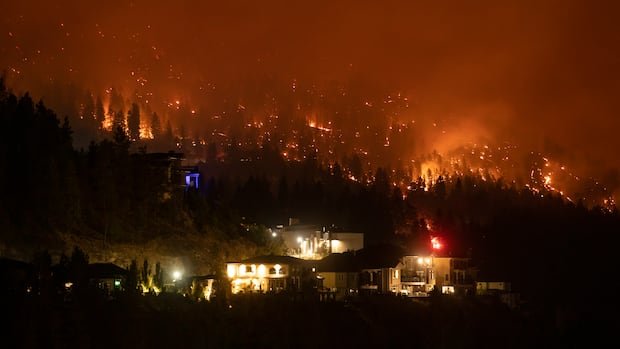


British Columbia is currently facing devastating wildfires that have destroyed numerous structures across the province, with the total number of homes lost still being calculated. The Mayor of Summerland, B.C., issued a warning to evacuees, urging them to prepare for substantial losses.
Experts are advocating for the integration of FireSmart principles into home designs as wildfires continue to pose significant threats. FireSmart is an educational program that aims to minimize wildfire impact near residential areas by offering guidance on retrofitting homes and upgrading buildings to enhance fire resistance.
Mike Flannigan, a wildland fire professor, emphasized the necessity of transitioning FireSmart recommendations into mandatory regulations, especially for properties in high-risk locations. He highlighted the importance of consistent application to ensure the effectiveness of fire prevention measures.
Property resilience against wildfires can be enhanced by simple measures such as gutter cleaning, maintaining short lawns, clearing debris from roofs, and selecting fire-resistant landscaping options. Recommendations include creating adequate spacing between trees, pruning branches, keeping fuel sources away from structures, and installing sprinkler systems.
Communities like Logan Lake and Jasper have successfully implemented FireSmart practices, resulting in saved homes during fire incidents. However, challenges persist in enforcing mandatory fireproofing measures, as seen in the Village of Lytton, where initial regulations were rescinded due to cost concerns and potential delays.
Despite calls for broader adoption of FireSmart principles, uncertainties loom over the program’s future. The Union of B.C. Municipalities reported dwindling funding for FireSmart, with only a portion remaining for distribution based on priority needs. While the province’s commitment to wildfire mitigation includes support for the FireSmart program, its long-term sustainability remains unclear.