

Welcome to our weekly newsletter focusing on environmental trends and solutions driving us towards a more sustainable world.
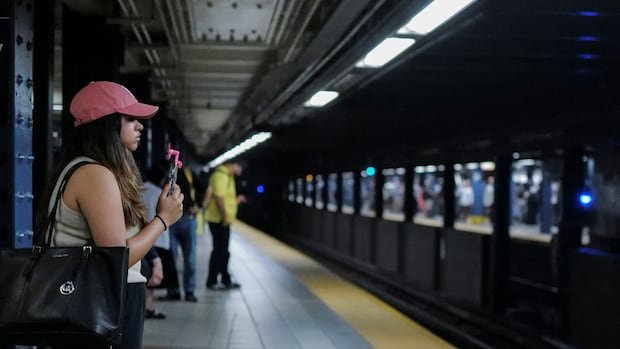
I find it fascinating how subway stations become incredibly hot, prompting the innovative idea of utilizing this excess heat for cooling purposes. Previously, I discussed the concept of heating buildings with waste heat sourced from various locations like nuclear power plants, paper mills, and even sewers. Today, let’s explore the potential of utilizing waste heat from subways.
This week’s highlights include:
– A Canadian technology aiming to cool overheated subways in New York City
– The phenomenon of wildfires generating thunderclouds
– Understanding ‘wishcycling’ and the crackdown on this practice by some municipalities
Canadian innovation is at play in addressing the issue of hot subway stations, particularly in New York City. With underground subway stations becoming increasingly unbearable, a Canadian company is piloting an energy-efficient cooling solution in the subway system of New York City. Toronto-based Cascara Energy, in collaboration with the Metropolitan Transportation Authority, is implementing a radiant cooling system in the ceiling arches of the East Broadway station. This system, utilizing loops of chilled water-filled pipes, absorbs heat to provide a cooler environment for passengers passing underneath. Notably, this system is more compact, easier to maintain, and boasts 25 to 35 percent higher efficiency compared to traditional air conditioning systems.
The aim is not only to enhance passenger comfort but also to explore the potential of recovering and recycling the heat for other applications, as outlined in the MTA’s Climate Resilience Roadmap. The founder of Cascara Energy, Robert Croghan, highlights the significance of capturing heat before it impacts the subway walls and emphasizes the potential for utilizing the recovered heat for heating water and buildings. This innovative approach not only reduces reliance on fossil fuels but also offers a more efficient alternative to traditional geothermal heating methods.
Drawing from the success of heat recovery initiatives like those in the London Underground, where waste heat is collected for district heating networks, this Canadian technology presents a promising solution for cooling subway environments while maximizing energy efficiency. The New York pilot project, primarily funded by Cascara Energy, aims to demonstrate the effectiveness of this system and generate interest from other transit systems worldwide.
In conclusion, the innovative approach of utilizing waste heat from subway tunnels and stations not only addresses the issue of overheated subway environments but also presents a sustainable solution with far-reaching environmental benefits.