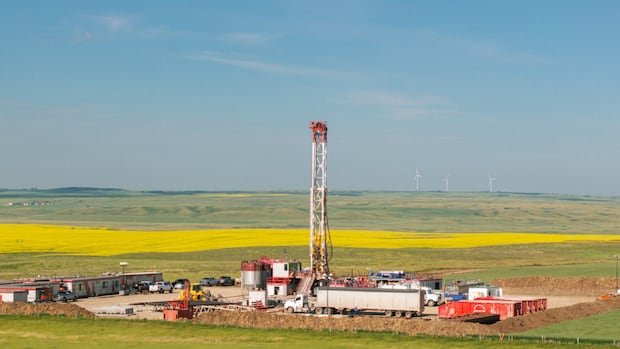


A company in Saskatchewan is currently engaged in drilling operations to extract hydrogen from underground sources on a commercial scale, aiming to demonstrate the viability of extracting hydrogen naturally instead of relying on fossil fuel production.
Regina-based Max Power Mining recently commenced drilling its third well at the Lawson Complex in southern Saskatchewan. The company envisions establishing the world’s first large-scale commercial natural hydrogen system, presenting a new primary energy source.
Chad Levesque, the president and director of the company, emphasized the importance of hydrogen as a crucial component for various industrial processes, such as ammonia production, petroleum refining, and transitioning towards more sustainable energy sources. He highlighted the significance of sourcing hydrogen in an environmentally friendly manner, underscoring the potential of naturally occurring hydrogen.
Hydrogen, a versatile gas used for fuel and electricity generation, offers a clean energy solution by producing water as its only byproduct, avoiding direct greenhouse gas emissions. As an essential element for sectors like transportation and steelmaking, hydrogen has garnered attention for its potential in reducing emissions.
However, the majority of hydrogen currently available is grey hydrogen, produced from fossil fuels without emission reduction measures, resulting in significant carbon dioxide emissions. In contrast, green hydrogen, produced via electrolysis using renewable energy sources, offers a lower emission alternative but remains costlier than grey hydrogen.
Natural hydrogen, also known as white hydrogen, represents a promising avenue as it can be naturally released from underground deposits with relatively lower greenhouse gas emissions. Leveraging existing extraction techniques used for natural gas and helium, companies like Max Power Mining aim to tap into these deposits more cost-effectively.
The geological formations in Saskatchewan enable the accumulation of hydrogen in porous sand beds sealed beneath layers of shale and salt. While natural hydrogen presents potential benefits, challenges remain in effectively extracting and commercializing these deposits, requiring specialized techniques and considerations.
The discovery of natural hydrogen deposits globally, including in Canada, signifies a growing interest in this alternative energy source. Despite the promise of natural hydrogen, its commercial viability and impact on decarbonization efforts are still being explored, with ongoing research and development driving further exploration in this field.