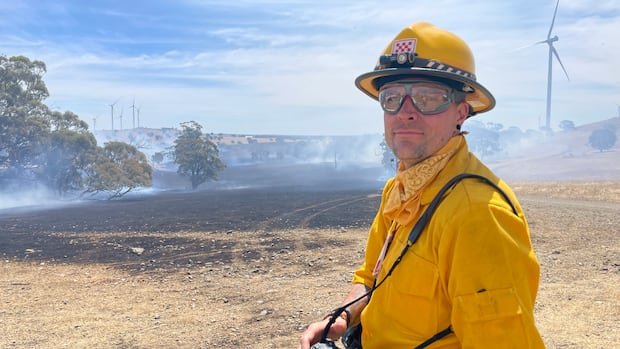


In our weekly newsletter, we delve into environmental trends and solutions pushing us towards a more sustainable future. As wildfire season gains momentum in Canada, we reflect on past significant fires and insights garnered with acclaimed journalist and author Jesse Winter.
This week’s highlights include the lessons extracted from recent major wildfires in Canada, exploring the concept of solar parking lots, and the availability of scenic flights on an electric plane in southern Ontario.
Jesse Winter, a reporter at the Globe and Mail, shifted his focus from newsroom desks to the front lines of wildfires. Over the years, he transitioned into a photojournalist, providing a unique perspective on wildfires and firefighting practices. In his latest book, “Wildfire: Dispatches from a Country Ablaze,” Winter delves into the impact of climate change on Canada’s wildfires and strategies for coexisting with this evolving reality.
Winter emphasized the challenges within the current firefighting system, particularly the issues surrounding workforce retention and turnover. He highlighted the need for enhanced career paths within firefighting to ensure experienced crew leaders are present to combat the escalating intensity of wildfires. Additionally, Winter stressed the importance of collaboration between firefighting services, politicians, and communities to effectively address fire incidents and preempt potential conflicts.
Reflecting on the aftermath of the Jasper wildfire in Alberta, Winter detailed the catastrophic effects of the fire, underscoring the critical role of proactive planning and effective firefighting practices in mitigating such disasters. Despite the widespread devastation, Jasper serves as a testament to successful disaster management strategies and community resilience.
Transitioning to a brighter narrative, the advent of electric aviation marks a significant milestone in sustainable air travel. The Waterloo Wellington Flight Centre in southern Ontario now offers public scenic flights aboard the Pipistrel Velis Electro aircraft. This initiative, in collaboration with the University of Waterloo’s Institute for Sustainable Aeronautics, showcases the potential of electric aviation in reducing emissions and noise pollution.
Electric aviation is no longer a distant vision but a tangible reality, with ongoing efforts to enhance battery technology and charging infrastructure to support widespread adoption. The introduction of electric-hybrid aircraft by major airlines signals a promising future for eco-friendly air travel, presenting a viable solution to reduce aviation-related emissions.
As the aviation industry embraces electric aircraft, the focus shifts towards optimizing battery range and establishing clean charging infrastructure at airports. The integration of renewable energy sources into airport microgrids further reinforces the commitment to sustainable aviation practices.
The journey towards sustainable aviation is underway, with electric planes poised to revolutionize air travel and contribute significantly to reducing carbon emissions in the industry.
For more engaging insights and updates, subscribe to our newsletter and stay informed about the latest environmental trends and solutions shaping our world.