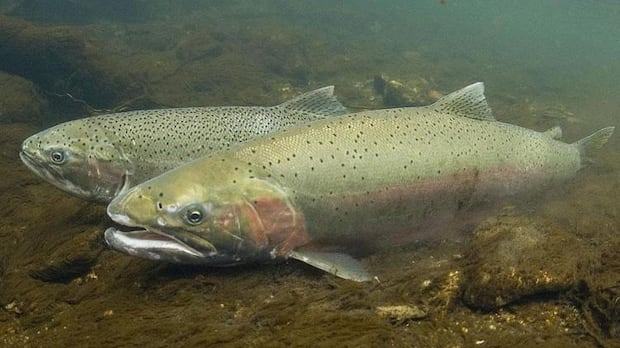


According to the third annual State of Salmon report, Pacific salmon in British Columbia and Yukon are in a “precarious” condition.
The report released by the Pacific Salmon Foundation indicates that while Pacific salmon populations are experiencing a long-term decline, there have been slight improvements noted over the last three years of assessment.
Jason Hwang, the foundation’s chief program officer and vice-president, explained to CBC’s The Early Edition that the report examines changes over time rather than focusing on a single year.
The analysis looks at six species of Pacific salmon, including steelhead, across ten regions within B.C. and the Yukon.
Hwang remarked that the situation for salmon is “complicated” due to the diversity of populations across various watersheds and regions in B.C.
“There isn’t a straightforward narrative that applies to all salmon,” he stated.
While coho salmon in southern B.C. appear to be on the mend because of fishery management strategies, Hwang noted that the same cannot be said for northern B.C.
In Haida Gwaii, for instance, coho salmon continue to face declining numbers.
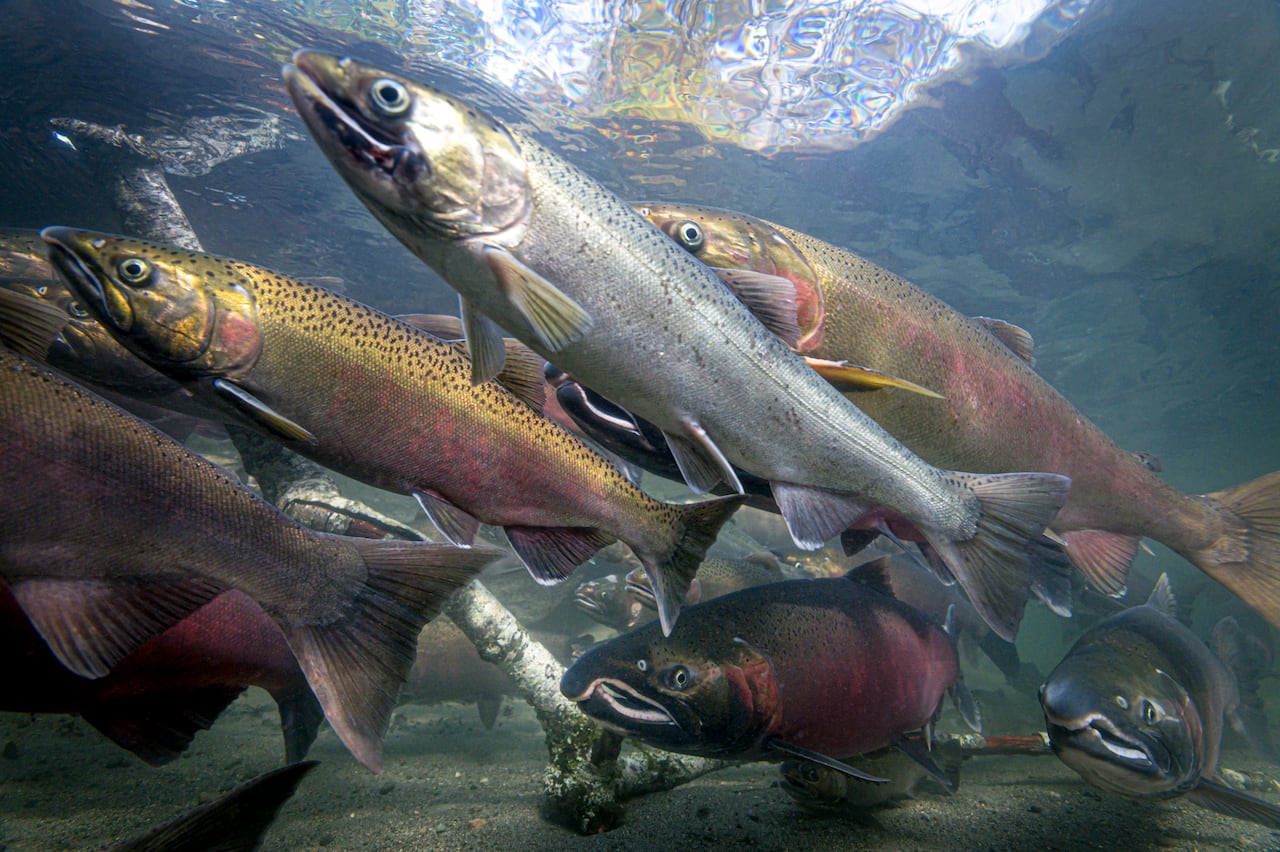
Coho salmon are seeing recovery in southern B.C., but their numbers are decreasing in Haida Gwaii. (Eiko Jones/Pacific Salmon Foundation)
In contrast, sockeye and pink salmon experienced “fairly robust returns in 2025.”
However, other populations continue to struggle.
“Steelhead are nearing record lows — and in some areas, they are vanishing entirely,” the report stated.
Researchers are particularly worried about the summer steelhead in the Thompson River of the Fraser, as none were detected during the 2025 test fishery, according to the report.
The report identifies climate change as the “most significant threat” to Pacific salmon, citing issues such as warmer rivers, extreme water flow variations, and unpredictable ocean conditions.
“Drought is merely one of the climate change-related challenges impacting our salmon,” Hwang remarked. “We’re witnessing an increase in wildfires and shifts in flooding patterns. Our landscape is undergoing significant changes due to climate change effects.”
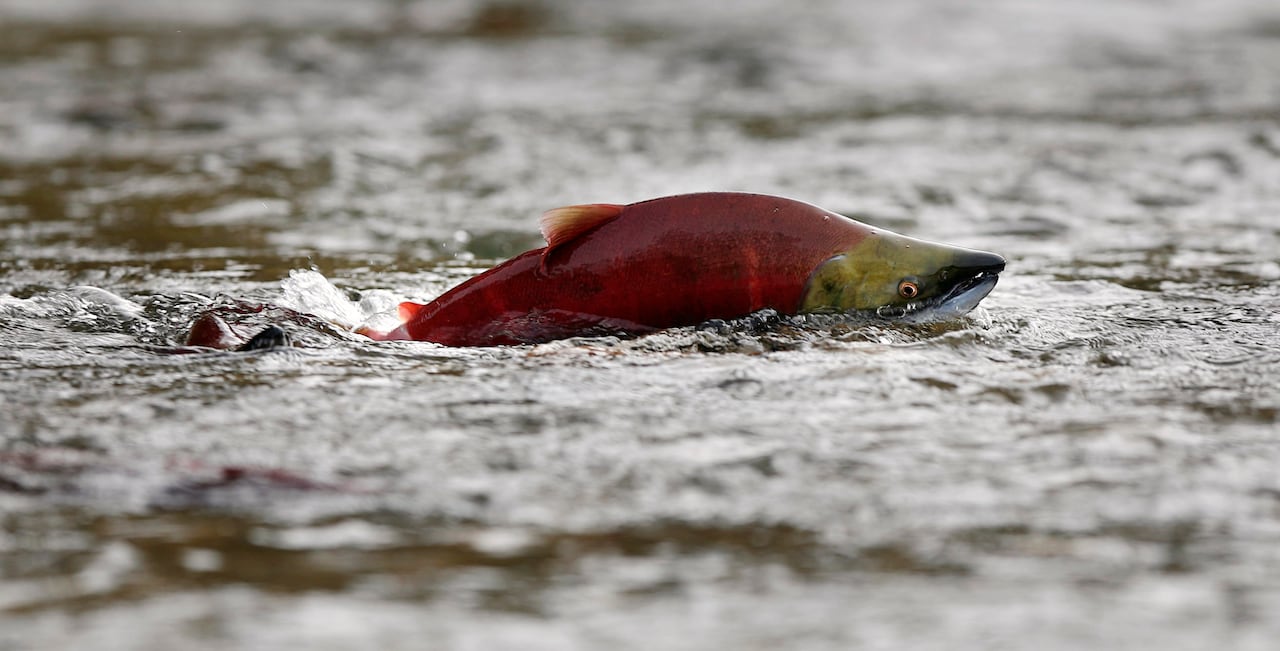
Sockeye salmon performed relatively well in B.C. last year, but other salmon varieties continue to face challenges, according to the Pacific Salmon Foundation. (Andy Clark/Reuters)
Additionally, open net-pen farms pose risks to wild salmon through exposure to diseases and pollution, as stated in the report.
A previous study by the Pacific Salmon Foundation, published in the journal Aquaculture, revealed that viral heart disease is more prevalent in B.C.’s open-net salmon farms than previously recognized.
The report also highlights several significant human-induced factors affecting salmon survival, including fisheries, hatcheries, and urban and industrial development.
Hwang emphasized the importance of salmon as crucial components of the local ecosystem. He pointed out that the southern resident killer whales, another vulnerable population, heavily rely on salmon.
He concluded by stating that while salmon are resilient, the future remains uncertain.
Last year, Fraser River sockeye numbers were three times higher than anticipated.
“It was remarkable,” Hwang remarked.
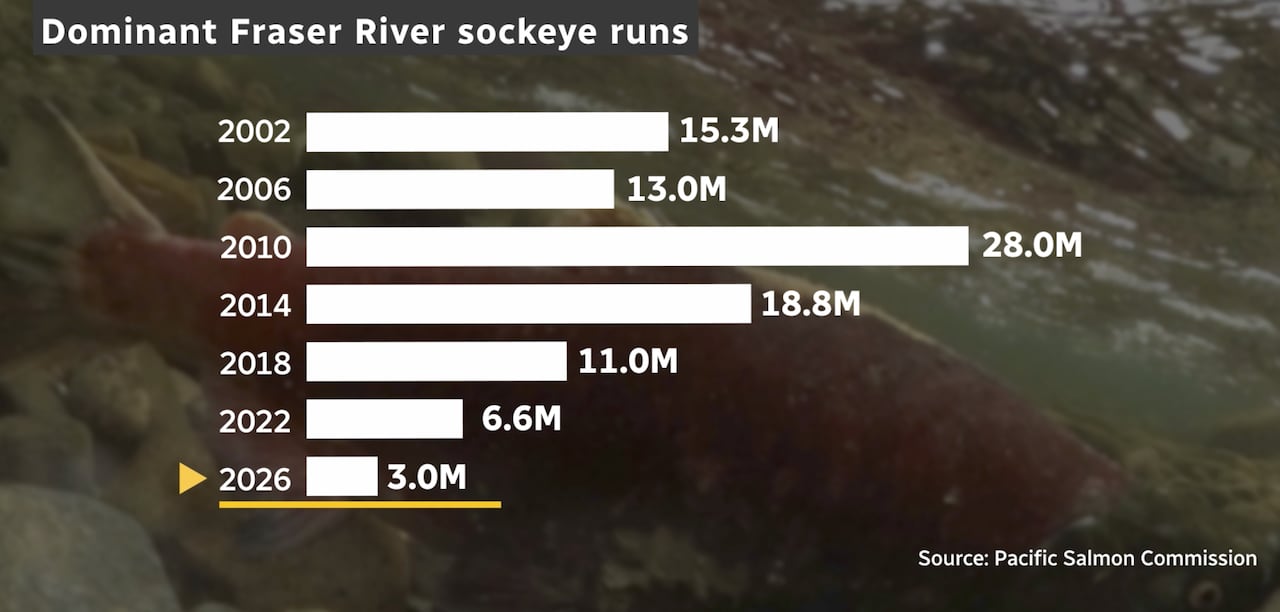
Fraser River salmon counts from the Pacific Salmon Commission indicate a decrease in dominant runs following a peak in 2010. (CBC)
However, this year, the forecast was quite low, around 7.7 million, but the actual return was only about three million, according to Hwang.
-
Fraser River salmon returns this year a ‘real chance to celebrate,’ harvesters say
-
Fishers empty-handed following dismal Fraser River sockeye run
This marks the “lowest return on the dominant cycle in modern history,” Hwang stated.
“It indicates that patterns are shifting, and numerous challenges lie ahead for salmon,” he added.
“However, when conditions align favorably, and if we take proactive measures within our control, there is still potential for salmon to thrive, and that is what we should aim for.”