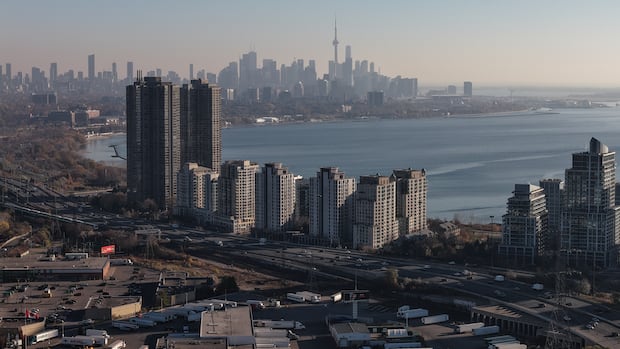


A more polluting energy grid coupled with an increased demand for gas heating during a colder winter has led to the most significant annual rise in greenhouse gas emissions in at least ten years within the Greater Toronto and Hamilton Area (GTHA), according to a recent report. This surge puts the region further away from achieving its climate objectives.
The report, published by The Atmospheric Fund, a climate agency focused on the region, reveals a grim outlook for the area. Emissions have risen for five consecutive years, climbing by eight percent from 2024 to 2025—the largest annual increase since tracking commenced in 2015.
As a significant contributor to Ontario’s emissions, the GTHA now faces a challenging path to fulfill local climate pledges. If the 2030 target set by Toronto were to serve as a regional benchmark, emissions would need to be reduced by approximately 16 percent annually.
“This increase significantly derails our progress toward the climate targets we’ve established and underscores the pressing need for decisive action to reverse this trend and lower emissions,” stated Bryan Purcell, the vice president of policy and programs at the agency.
-
Toronto’s unusually sunny, warm November weather to be hit by cold stretch next week: Environment Canada
-
‘Most challenging period’: Mississauga business owners paying the price over long LRT construction
The report, made public on Tuesday, does highlight some positive developments: Toronto has recently eliminated local obstacles to the installation of heat pumps and electric vehicle chargers; Ontario has achieved a record amount of battery storage this year, surpassing gas in terms of cost; and the federal government has announced a $2 billion investment aimed at building retrofits that includes rebates for heat pumps.
However, the report warns that recent rollbacks in government policy could overshadow these advancements as climate change leads to more severe wildfires, flooding, and extreme heat.
According to Purcell, the report counters a prevalent political narrative that suggests climate action should take a backseat to affordability issues. Many of the necessary measures to reduce emissions, such as retrofitting buildings, transitioning to heat pumps, and enhancing public transportation, can also lessen financial pressures, he noted.
“We understand what is effective, we possess the technology, and it ultimately hinges on the political commitment to implement policies and programs that will steadily reduce emissions. That is the critical element currently lacking,” Purcell remarked.
Buildings as a Major Source of Emissions
Buildings, which represent nearly half of the area’s emissions, were significant contributors to the annual increase. Emissions from the building sector—primarily from gas heating and, to a lesser extent, electricity—rose by 15 percent year-on-year.
Emissions linked to electricity usage in buildings surged by 26 percent, attributed to what the report describes as the province’s increasingly carbon-heavy energy grid. Last year, almost a fifth of Ontario’s electricity was generated from fossil fuels, marking the highest level since the phase-out of coal, as the province relies on gas to compensate for nuclear reactors that have been taken offline for refurbishment.
Heating-related emissions increased by 14 percent compared to the previous year, largely due to the colder winter, according to the report. Even after accounting for weather variations, emissions still rose by three percent, indicating a deeper issue with the region’s old and inefficient housing stock.
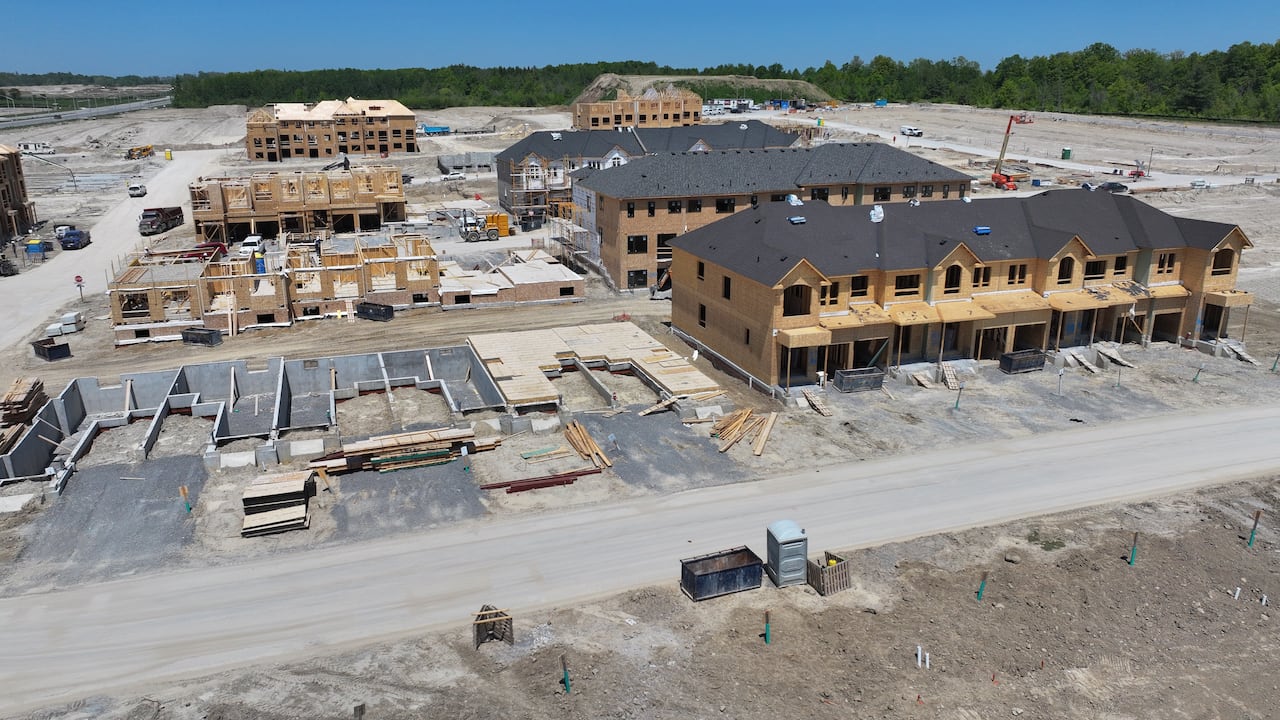
Premier Doug Ford’s administration has prevented municipalities in the province from implementing green building standards, hindering Ontario’s progress in terms of efficiency and technology in new constructions, according to Bryan Purcell. (Patrick Morrell/CBC News)
These emissions are on the rise at a time when municipalities have lost a crucial mechanism to mitigate them. Premier Doug Ford’s government has prohibited Toronto and other municipalities from enforcing green building standards, aligning with certain developers who argued that these requirements added unnecessary costs and complications to construction.
Purcell indicated that this change has set Toronto back “approximately a decade in terms of the efficiency and technology being utilized in new buildings.”
Despite constraints on what cities can mandate for new developments, Purcell noted that there remains potential for improvement in existing homes and businesses. He highlighted Toronto’s proposed building emissions performance standards as one of the most significant local climate policies currently under consideration in the region.
“Existing structures are the largest source of emissions in most of our cities. We urgently require policy tools that can help manage and reverse that growth over time,” he stated.
Increasing Vehicle Numbers and Limited Transit as Contributing Factors
Transportation, the second-largest source of emissions after buildings, experienced an increase of one to three percent across much of the region. This rise was primarily driven by a growing number of cars on the roads and a continuing trend toward larger vehicles that typically have lower fuel efficiency, according to Purcell.
The registration of battery-electric and plug-in hybrid vehicles continued to grow, but Purcell noted that uncertainties in policy have created additional challenges. Earlier this year, Ottawa canceled an EV sales mandate, and its commitment to strengthen tailpipe emissions regulations to counterbalance the environmental impact has yet to be realized. Municipal initiatives to support charging infrastructures could bolster consumer confidence in making the switch, he suggested.
Although there have been promising investments in expanding public transit, Purcell emphasized that cities need to prioritize everyday service enhancements to encourage more residents to opt for buses and trains. Ridership in the region has fallen by approximately 1.5 percent annually and remains significantly below pre-pandemic levels.
“It is these fundamental issues that drive ridership growth more effectively than large-scale projects,” he remarked.
Industrial emissions, particularly from steel and cement manufacturers, showed no signs of improvement, as the report indicated that decarbonization efforts have “stalled.” This situation arises as Ford pushes the federal government to abandon the industrial carbon pricing scheme in an attempt to prevent automaker Stellantis from closing its idled Brampton plant.