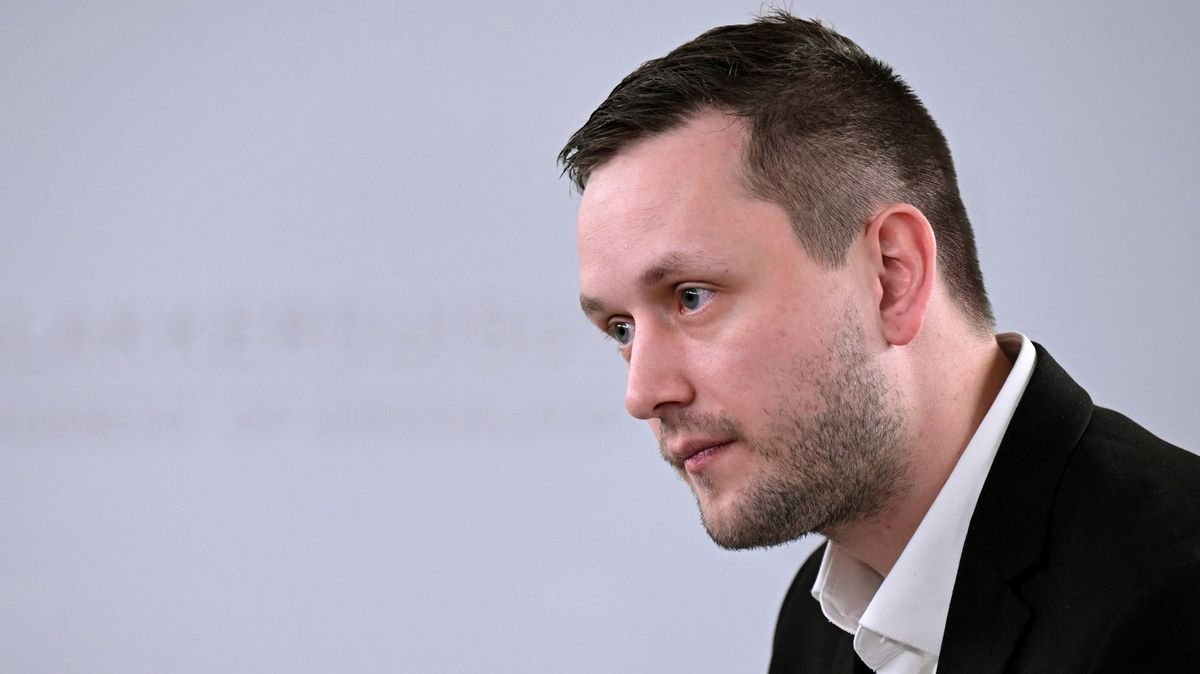


The Prime Minister of Greenland has cautioned that while it is unlikely for the United States to resort to military action against Greenland, the option cannot be entirely dismissed. Jens-Frederik Nielsen delivered this message amidst renewed threats from former US President Donald Trump regarding potential control over the semi-autonomous Danish territory.
Speaking at a press conference in Nuuk, Mr. Nielsen, alongside former Prime Minister Mute B Egede, revealed ongoing assessments of Greenland’s civil readiness plans. Discussions include the possibility of recommending households to maintain a five-day supply of food in preparation for potential scenarios.
Emphasizing the significance of being prepared for various outcomes, Mr. Egede, a current member of Greenland’s parliament, highlighted the necessity for vigilance. Stressing Greenland’s affiliation with NATO as part of the Danish kingdom, both leaders underscored the broader repercussions of any escalation beyond the island’s borders. They condemned Trump’s recurrent social media threats.
Labeling Trump’s comments as disrespectful, Mr. Nielsen affirmed Greenland’s intent to respond through official diplomatic channels. Notably, there has been no official directive for Greenlanders to stock essential household provisions.
Mr. Nielsen reiterated the importance of respecting international law and territorial integrity, advocating for unity among Western democratic nations on these principles. Expressing gratitude for support from EU allies, he conveyed Greenland’s willingness to enhance cooperation within a framework of mutual respect.
Trump’s statements have stirred reactions and diplomatic efforts in Europe, prompting considerations of possible countermeasures, like retaliatory tariffs and potential utilization of the European Union’s anti-coercion tool. Referred to as the “trade bazooka,” this mechanism could target individuals or entities exerting undue pressure on the EU, with additional economic tools, such as new tariffs or suspension of the US-EU trade agreement, also under consideration.
At the Davos forum, French President Macron warned about the prospect of triggering the anti-coercion instrument against the US for the first time, highlighting the need for allied nations to focus on peace efforts in Ukraine. Stressing the potency of the mechanism in the current challenging environment, he insisted on its judicious deployment when necessary.