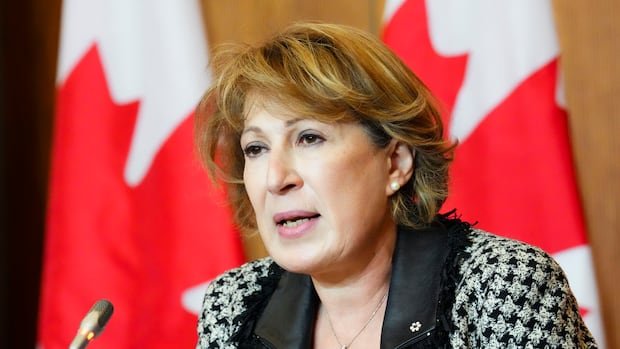


Canada’s top science adviser suggests that the government should assess its handling of the COVID-19 crisis to enhance the nation’s readiness for future health emergencies. Mona Nemer emphasized the importance of acknowledging people’s emotions and experiences related to the pandemic to effectively address their concerns. She highlighted the diverse reasons behind public anger, including economic hardships, loss of loved ones, and disruptions in education.
Nemer, an independent adviser, emphasized the need for a focused and non-political reflection process that addresses specific questions to prevent it from becoming prolonged and forgotten. She underscored the significance of providing context for discussions, especially regarding vaccine-related concerns, to remind people of the life-saving impact of vaccines.
In parallel, Conservative MP Dean Allison intends to conduct an inquiry in September to listen to Canadians affected by COVID-19 vaccine issues. The inquiry aims to be non-partisan, allowing members from various political parties to participate on the panel.
Regarding public trust in health authorities, Nemer expressed concerns about declining trust in government and science, attributing it to a lack of understanding and communication. She urged for a constructive approach to enhance trust and better prepare for future health challenges.
Nemer also raised alarms about the global response to infectious diseases like Ebola, criticizing the delayed diagnostics that worsened containment efforts. She emphasized the need for integrating pandemic preparedness into routine health services and maintaining vigilance against emerging threats post-COVID-19.
Despite pandemic fatigue, Nemer stressed the importance of proactive preparation for future outbreaks, emphasizing the lessons learned during the COVID-19 crisis and the critical role of public trust in effective crisis management.