

Former President Donald Trump, known for targeting opponents’ age and mental acuity, particularly mocked President Joe Biden with derogatory nicknames to question his competence for office. However, concerns now arise about Trump’s own mental state as he returns to power at 79 years old.
Reports suggest worries about Trump’s health are gaining attention across European capitals, with diplomats and officials expressing unease about his mental well-being. Slovak Prime Minister Robert Fico, a Trump ally, reportedly voiced concerns about Trump’s psychological condition after a recent meeting.
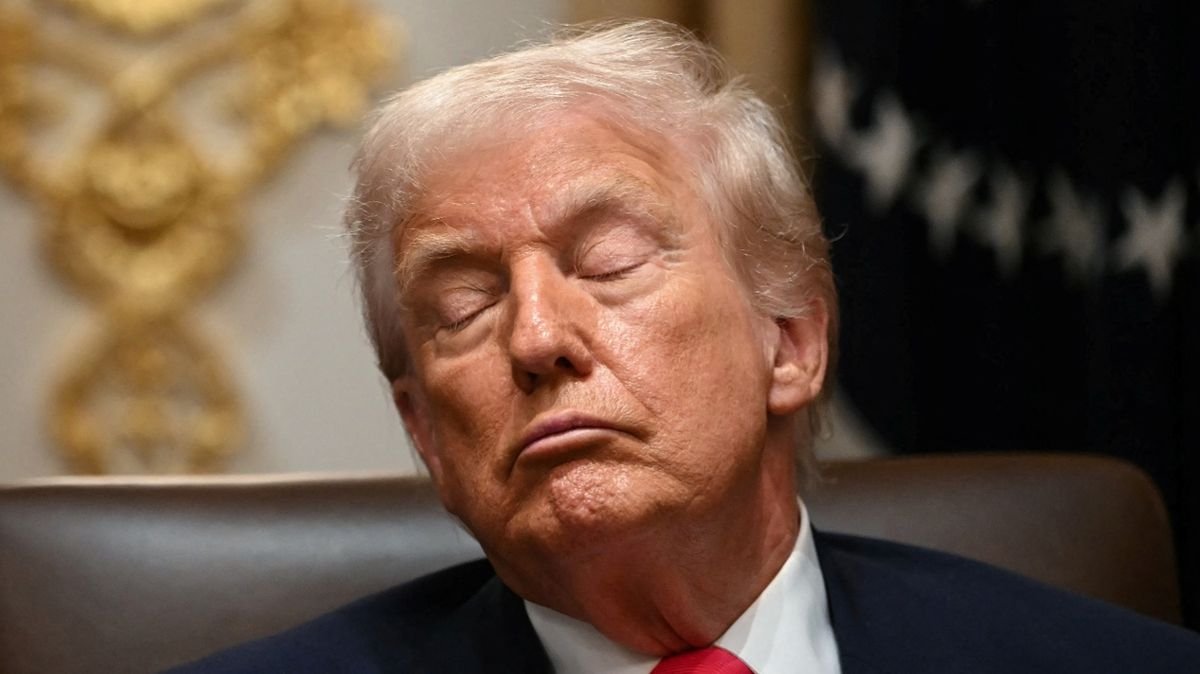
Instances of Trump’s distracted behavior during important meetings, such as losing focus on discussions and showing signs of fatigue, raise doubts about his ability to lead effectively. Observers notice physical signs like swollen ankles and bruised hands, adding to the concerns about his overall health.
While these factors do not confirm mental decline, they prompt a reevaluation of the importance of age and health in leadership roles, a narrative Trump himself emphasized during his presidency. As questions about Trump’s behavior and temperament grow, it becomes essential to address potential signs of strain in the highest office.
Amidst these developments, Trump’s past criticisms of Biden’s fitness for office now draw parallels to the scrutiny surrounding his own condition. Transparency and honesty in assessing Trump’s capabilities are crucial to ensuring stability in global leadership.
The need for open dialogue on leaders’ well-being is paramount to prevent any unforeseen consequences of diminished capacity in governing. The focus has shifted from Trump’s mockery of Biden to a critical examination of Trump’s own fitness to lead, highlighting the importance of addressing concerns about leaders’ mental and physical health.