

Britain’s Foreign Secretary emphasized the need for increased defense measures in the Arctic to counter growing threats posed by Russia and other hostile states. Yvette Cooper highlighted the Arctic’s escalating significance as a pivotal NATO frontier due to the effects of climate change, which are creating new opportunities for adversarial activities.
During her visit to Finland and Norway, Cooper urged allied nations to enhance security in the region as Russia and China aim to expand their influence. Recent tensions over control of the High North intensified following former U.S. President Donald Trump’s interest in Greenland for bolstering American security.
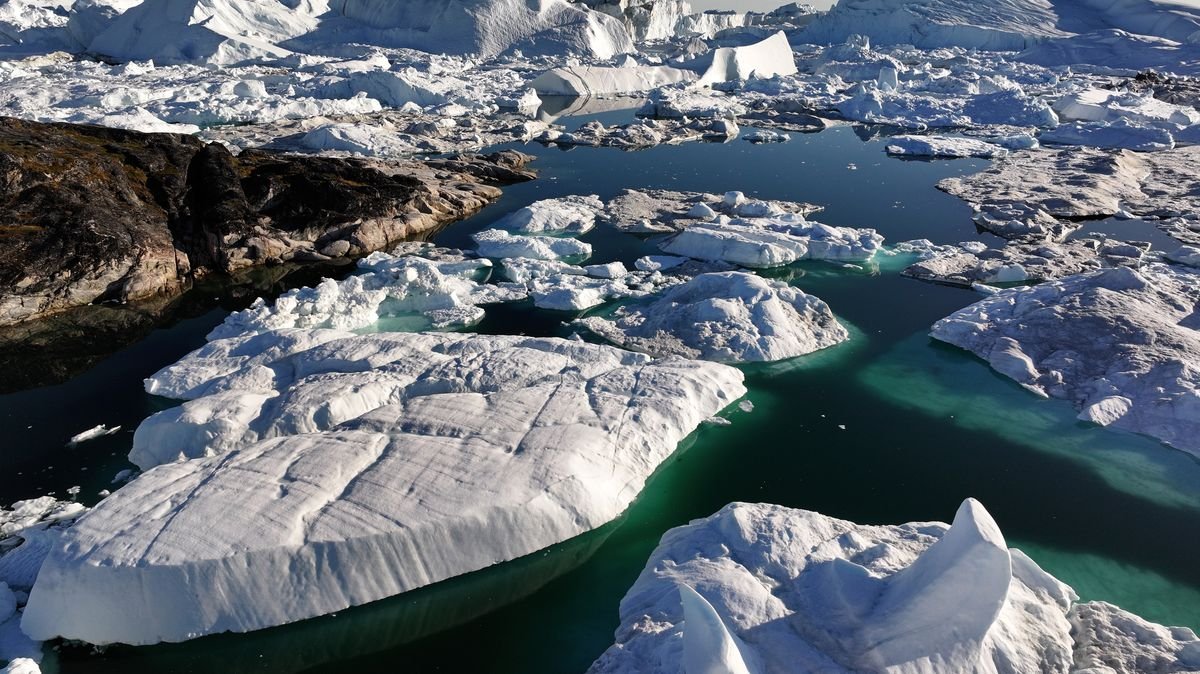
The melting ice has led to the emergence of new shipping routes and exposed valuable resources, sparking a competition for power in the area. Russia’s efforts to militarize the Arctic and utilize it for its shadow fleet, which transports oil and gas to evade sanctions, have further escalated concerns.
The UK recently supported the U.S. coastguard in seizing the Bella 1 tanker near British shores. Cooper stated that the UK is intensifying its focus on Arctic security by collaborating with allies to fortify defenses and deter potential threats to national interests and infrastructure.
Cooper emphasized the critical role of Arctic security in the transatlantic partnership for the safety of Britain and NATO. By uniting as an alliance, they aim to confront the emerging challenges effectively.
During her trip, Cooper plans to meet border guards in Finland safeguarding NATO’s eastern flank against Russia before heading to Norway to observe Royal Marines participating in live training at Camp Viking. This military base serves as the year-round operational center for the UK Commando Force, offering essential cold weather training to around 1500 personnel.