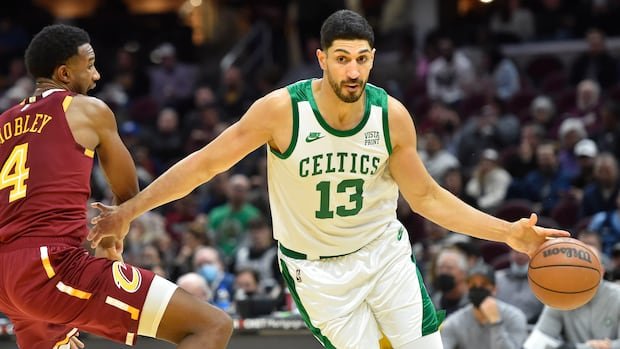


Two ex-NBA athletes stirred controversy this week by announcing their intention to participate in the 2027 WNBA draft, sparking debates about transgender athletes. Enes Kanter Freedom and Royce White faced backlash for their plans, with critics labeling them as political stunts undermining the league and transgender individuals.
The WNBA has been embroiled in controversy following remarks by Indiana Fever player Sophie Cunningham regarding transgender individuals in sports. Kanter Freedom and White’s decision is contingent on league regulations which permit only women to play without explicitly barring transgender women.
Kanter Freedom asserted on Instagram that he fulfills all WNBA requirements by simply declaring his identity, emphasizing that his aim is not to mock or disrespect any community. White, who had minimal NBA experience, stated on Fox News that he occasionally identifies as a woman for basketball purposes, citing physical attributes like fair skin and thick eyelashes to support his eligibility.
Experts like Daniel Sailofsky highlighted the political nature of targeting the WNBA, a league known for its diverse player base and progressive stance, suggesting that the athletes’ actions align with a broader right-wing agenda aimed at excluding transgender individuals from public life.
The WNBA’s eligibility rules specify that only female players are allowed, with no explicit exclusion of transgender women. In response to ongoing discussions on transgender athletes and online abuse towards players, the league denounced any attempts to use these debates to marginalize others.
The broader context reveals a trend of right-wing figures leveraging women’s sports to promote anti-trans sentiments, which has translated into policy changes affecting transgender athletes’ participation in sports at various levels. Issues of inclusivity and safety for all individuals, especially marginalized communities, remain central in these discussions.