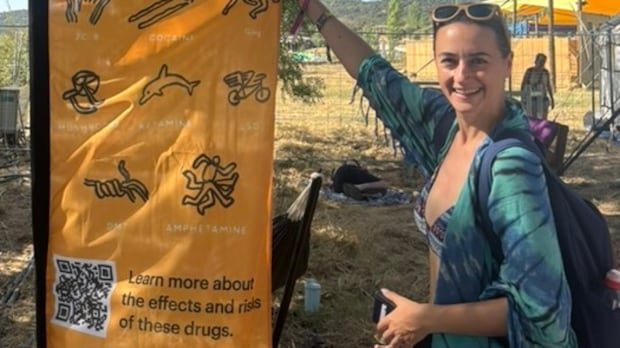


Summer music festivals have long been hotspots for the consumption of psychedelics and other drugs. A research team is currently investigating the harm reduction practices implemented at these events to extract valuable insights. Erika Dyck, a history professor at the University of Saskatchewan and a Canada Research Chair in the history of health and social justice, has dedicated the past two decades to studying psychedelics. She emphasized that music festivals, being common venues for drug use, often serve as hubs for harm reduction initiatives where attendees look out for each other to minimize risks.
Kenneth Tupper, an adjunct professor at the School of Population and Public Health at the University of British Columbia, is part of the research endeavor. He highlighted that drug checking procedures were initially introduced in Canada at music festivals. This initiative gained traction around 2016 in response to the toxic drug crisis, declared a public health emergency in British Columbia. The British Columbia Centre on Substance Use introduced an innovative tool, an FTIR spectrometer, in approximately 2017 for drug testing at festivals like Shambhala and Bass Coast due to its portability.
The inaugural edition of the Regina Exchange Folk Festival, held recently, prioritized harm reduction and safety measures. Zandra Kaszas, the artistic director, emphasized the importance of readiness for potential incidents, citing the presence of security personnel, hydration stations, and an on-site ambulance. Additionally, the Nēwo Yōtina Friendship Centre (NYFC) set up a naloxone station at the festival to address possible overdoses.
Tupper stressed that drug testing services offer attendees a sense of security before making consumption decisions, potentially saving lives. Furthermore, counseling services provided to individuals during their experiences can be profoundly beneficial. Dyck noted that the research project aims to document the harm reduction strategies employed at festivals to build a valuable repository of knowledge, underscoring the need to include these insights in future discussions regarding harm reduction efforts.