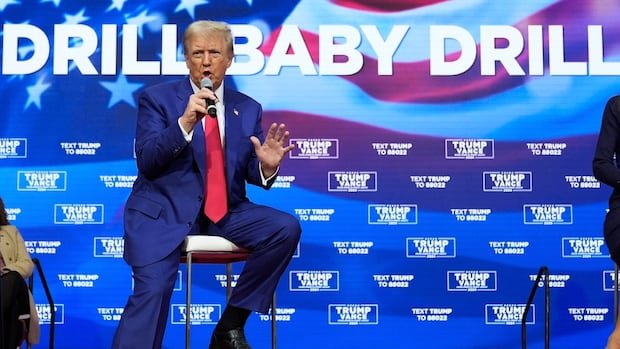


In his bid for the U.S. presidency in 2024, Donald Trump vowed to support the oil industry fervently with the rallying cry of “Drill, baby, drill.” However, his recent actions in office have had unintended consequences. Despite oil companies enjoying windfall profits, Trump’s trade tariffs on China and the repercussions of the conflict with Iran have prompted many nations to explore renewable energy alternatives.
The economic principle at play, according to Kingsmill Bond of global energy think-tank Ember, is simple: when you raise the price and risk associated with a commodity, people naturally seek out substitutes. This phenomenon has been evident in the surge of electric vehicle (EV) adoption globally. Recent data from the International Energy Agency (IEA) shows a rebound in the global EV market, with notable spikes in EV exports from China to countries like Brazil, South Korea, Australia, and Italy.
Countries worldwide are reshaping their energy landscapes in response to these shifts. The UK’s leading energy supplier reported a significant increase in solar panel sales, while escalating energy costs in Asia have fueled a surge in rooftop solar installations. Meanwhile, Canada is looking to bolster its electrical grid capacity through a nuclear strategy, even as it eyes pipeline expansions.
The broader shift towards renewable energy has been ongoing, with renewables surpassing coal as a primary electricity source globally in 2025. The Iran conflict further underscored the vulnerabilities associated with fossil fuel dependence, prompting a renewed focus on clean energy solutions.
In response to the energy shocks triggered by the Iran crisis, countries like Thailand and the Philippines have accelerated their transition to renewables. While some nations have seen a temporary uptick in coal usage due to LNG supply disruptions, others like Pakistan are actively expanding their solar capacity to enhance energy security.
The transition to clean energy is gaining momentum globally, driven by factors like declining costs of renewable technologies. China’s pivotal role in manufacturing solar panels and EVs has been instrumental in meeting the rising demand for renewable energy solutions. The availability and affordability of clean technologies are reshaping the energy landscape, offering viable alternatives to traditional fossil fuels.
The global energy transition is an ongoing process that is being accelerated by recent events. While the long-term impact of Trump’s policies and geopolitical tensions on the energy shift remains to be seen, the momentum towards clean energy solutions continues to grow. As the world navigates this marathon towards a cleaner energy future, each crisis serves to expedite the pace of change.