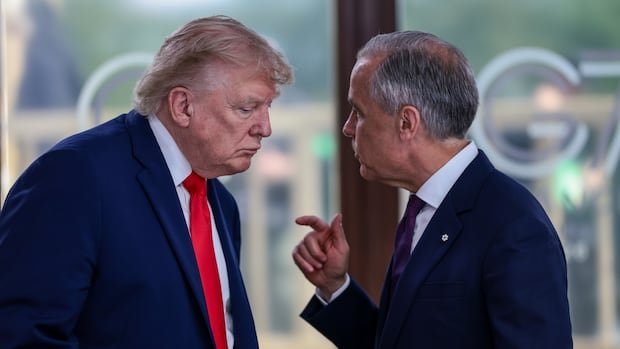


First Nations are facing uncertainty and preparing for the repercussions of the escalating trade conflict between Canada and the U.S., resulting in significant tariffs impacting various business sectors.
Approximately 7.5% of Indigenous small and medium-sized enterprises engage in exporting and are at risk of adverse effects, according to Shannin Metatawabin, CEO of the National Aboriginal Capital Corporations Association. However, the full extent of the impact remains challenging to forecast due to insufficient data on the positioning of Indigenous businesses in the trade landscape.
The imposition of tariffs by U.S. President Donald Trump on Canadian imports in early 2025 has particularly severe implications for British Columbia, where a 50% tariff increase on specific goods is causing concern among First Nations engaged in the forestry sector. John Jack, the elected chief councillor of the Huu-ay-aht First Nations on Vancouver Island, emphasized the potential profound impact on their community due to substantial investments in forestry-related ventures.
Jack highlighted the significance of these investments, such as HFN Forestry Limited, a partnership with Western Forest Products, and Iskum Investments, in supporting the community’s welfare through various programs. He expressed concerns about the uncertainty affecting Huu-ay-aht citizens, many of whom are employed in the forestry industry and fear for their jobs amid the trade tensions.
To mitigate the impact of the tariffs, Jack mentioned exploring new trade partnerships with countries like Japan, South Korea, and China, as well as diversifying into industries like seafood. British Columbia’s heavy reliance on U.S. exports, particularly in wood, pulp, and energy products, underscores the critical need for diversification and resilience in the face of changing trade dynamics.
Dallas Smith, president of the Nanwakolas Council representing six First Nations in northern Vancouver Island, echoed concerns about the tariffs’ significant repercussions on their forestry investments. The anticipated slowdown in the forestry sector poses challenges for infrastructure development in First Nations communities and the overall economic growth of these nations.
In Ontario, First Nations leaders are apprehensive about the potential impact of rising prices resulting from tariffs on steel and automotive sectors. Regional Chief Abram Benedict emphasized the looming economic challenges and increased financial hardships, especially for northern First Nations, due to sharply escalating costs.
Despite the uncertainties brought by the trade dispute, the message from First Nations leaders remains consistent: the need for proper consultation and inclusion in major projects to safeguard their economic interests and community well-being.