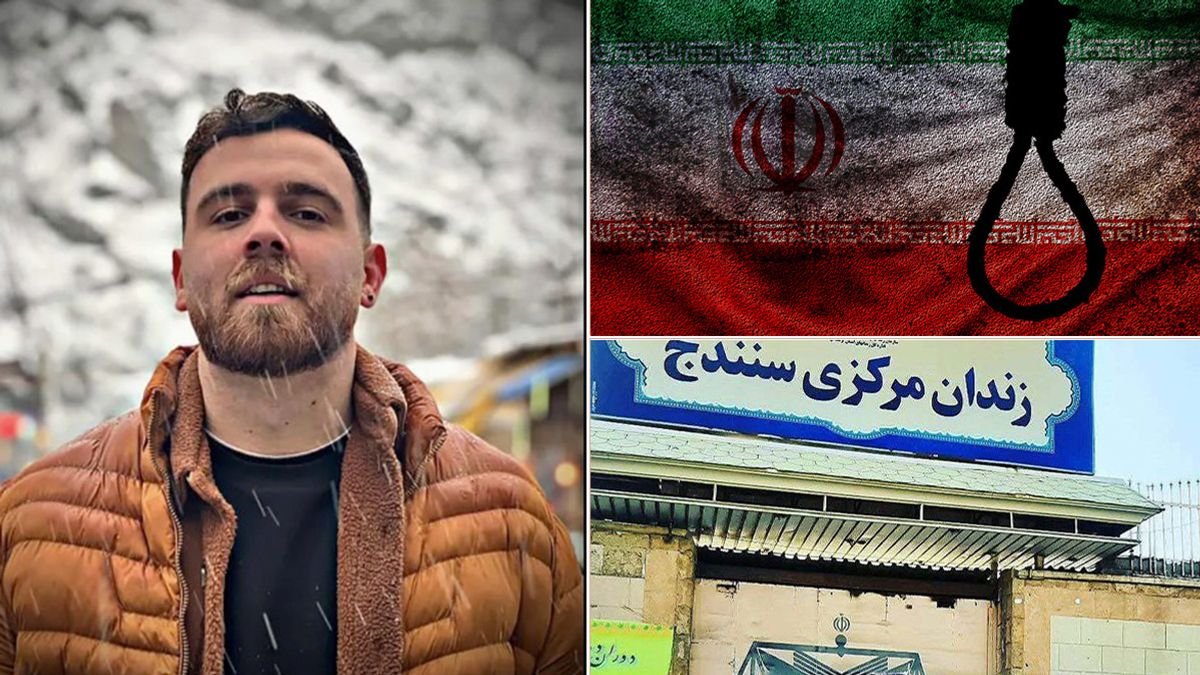


An Iranian demonstrator finds himself in a challenging situation as his scheduled execution was delayed at the last minute.
Erfan Sultani, a shop owner from Fardis near Tehran, faced a hanging sentence on January 14. However, following an intervention from US President Trump, the execution has been postponed temporarily. Despite assurances from the Iranian regime that this delay is temporary, they have threatened severe consequences for “rioters” amid recent anti-government protests in the country.
While the internet shutdown in Iran has reportedly dampened the protests, human rights organizations and Sultani’s relatives confirm that his death sentence has been halted, at least for now. The 26-year-old was arrested on January 8 and charged with moharebeh, a capital offense in Iranian law often used against those perceived as a threat to the government.
Sultani’s case has gained global attention due to the swift trial that lasted only an hour, where he was allegedly denied legal representation and access to his case file. His family was given a mere 10 minutes to bid him goodbye before being informed that his sentence was final.
The rise in executions in Iran, with 1,922 death penalties carried out last year, has alarmed human rights groups. The country, alongside China, holds one of the highest execution rates globally. The methods of execution, including hanging, stoning, firing squad, beheading, and death by throwing from a height, are carried out in public, often prolonging the victims’ suffering.
Former prisoners like Anoosheh Ashoori have shed light on the harsh conditions in notorious Iranian prisons like Evin, known for torture and inhumane treatment. The environment of fear and uncertainty created by the Iranian regime aims to inflict psychological harm on detainees and their families, serving as a tool of political terror to maintain control.
Amidst international pressure, Iran has curtailed stoning as a method of execution, though reports of brutal and torturous executions continue. The country’s prisons, notorious for their harsh conditions, are a place of despair and suffering for many detainees unjustly held on vague charges.
Criminal psychologist Alex Iszatt emphasizes the deliberate psychological impact of Iran’s legal system, designed to instill fear and control among the population. The abruptness and lack of due process before executions create a state of terror and helplessness, both for the condemned and their families.
The plight of individuals like Erfan Sultani and the systematic human rights abuses in Iranian prisons underscore the urgent need for international attention and advocacy to address the ongoing atrocities in the country.