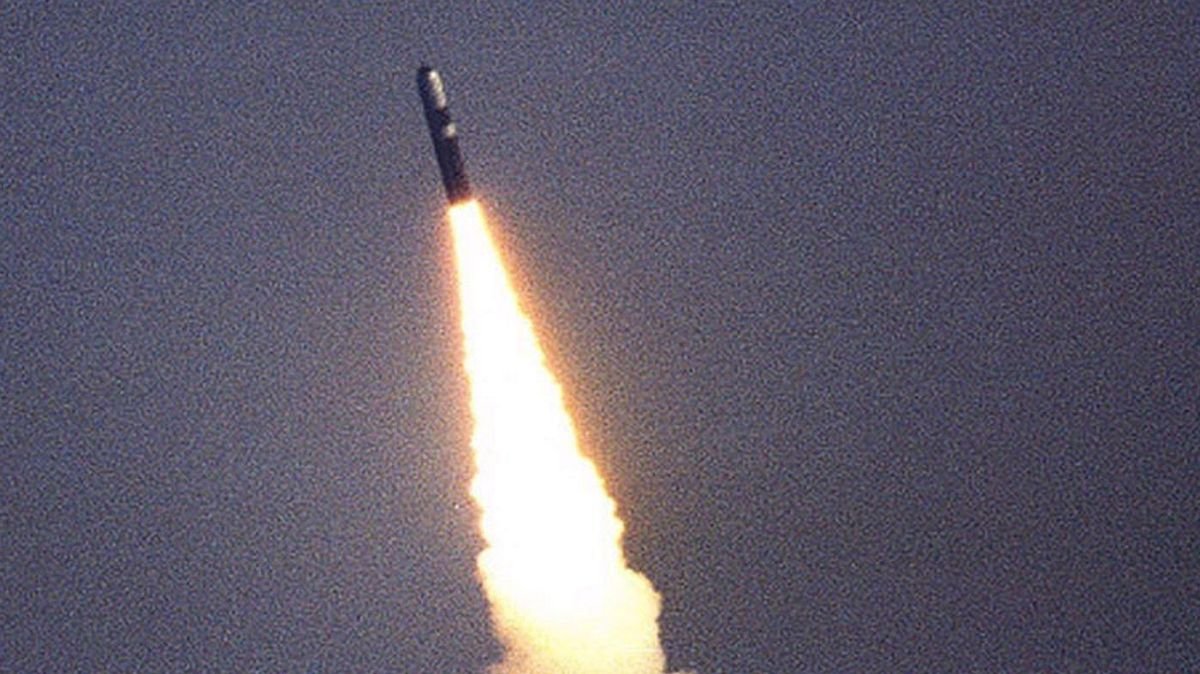


The termination of the treaty regulating nuclear arms between the United States and Russia eliminates an important safeguard against the use of atomic weapons globally. This development comes at a precarious moment, given the heightened tensions between Russia and NATO, along with the wavering commitment of the US to the alliance.
The agreement in question, known as the Treaty on Measures for the Further Reduction and Limitation of Strategic Arms or New START, was initially signed by both nations in 2010. While President Putin expressed willingness to extend the treaty for another year, President Trump deferred the decision for future consideration.
Russia and the US collectively possess 90% of the world’s nuclear arsenal, with Russia holding the largest stockpile of atomic weapons among all countries. The expiration of the agreement today signifies a significant threat that necessitates urgent attention rather than postponement as a mere administrative matter.
The complexity of the situation has evolved over the past 15 years, with the inclusion of new stakeholders posing challenges. The US insists on involving China in the treaty, while Russia advocates for the participation of France and the UK. However, differing allegiances and strained diplomatic relations complicate the prospects for reaching a new agreement.
China, rapidly expanding its military capabilities, shows little interest in limiting its nuclear arsenal. The absence of a new agreement may lead to a prolonged period without nuclear arms control, potentially prompting a surge in weapon development and deployment.
Both the US and Russia possess numerous non-deployed and non-strategic nuclear weapons, with ongoing efforts to modernize their arsenals. China’s substantial nuclear buildup in recent years adds a new dimension to the global nuclear arms race, emphasizing the urgency for renewed negotiations and transparency.
The expiration of the agreement will likely result in increased availability of nuclear weapons worldwide, diminishing transparency and predictability in nuclear capabilities. Without the verification mechanisms and data exchanges outlined in the treaty, uncertainties surrounding the nuclear arsenals of Russia and the US will escalate, undermining deterrence and strategic stability.
The essence of arms control lies in transparency, enhancing deterrence and mutual understanding of each other’s nuclear capabilities. The absence of a new agreement jeopardizes these critical elements, leaving uncertainties about the potential consequences of unregulated nuclear weapons development.