

Russia continues its relentless attacks on Ukrainian civilians, using explosive drones to target heating infrastructure systems in sub-zero temperatures. These actions, aimed at breaking morale, serve no strategic purpose for Russia’s military campaign.
Progress on the eastern frontline near Borova, in the Kostyantynivka-Druzhkivka area, remains slow but steady. However, Ukrainian troops have achieved significant advancements in the war-torn region of Zaporizhzhia, despite facing a barrage of drones, including Iranian-designed Shahed weapons.
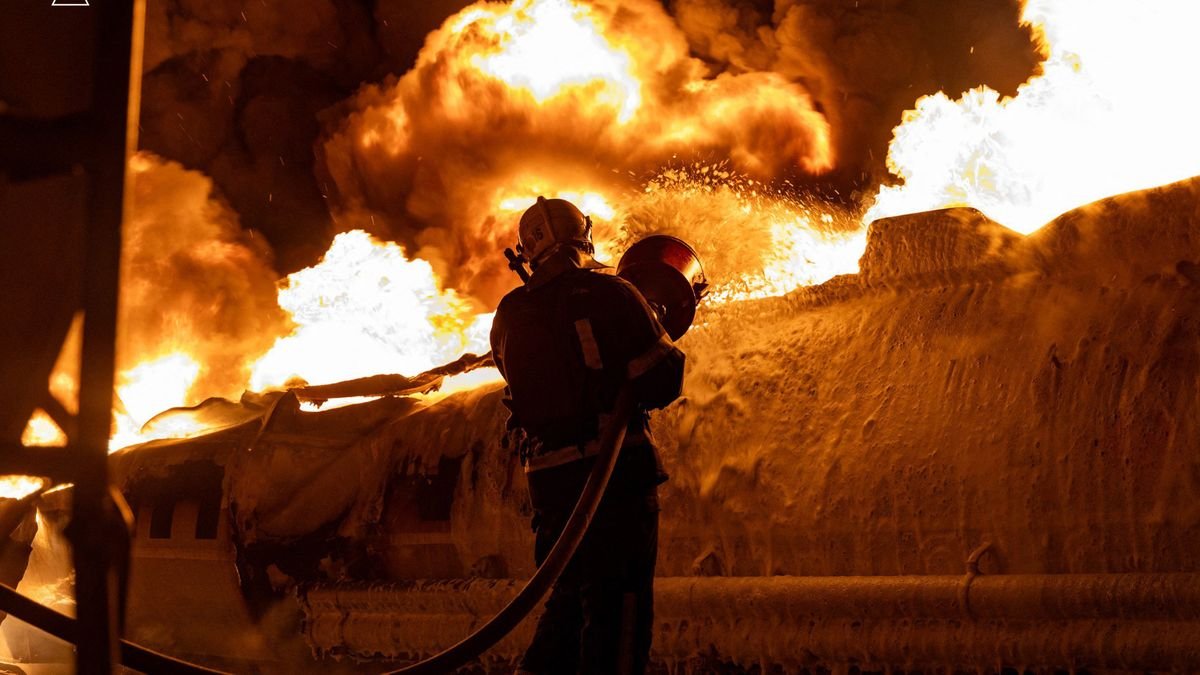
In a bold move, Kyiv struck the Slavyansk-na-Kubani oil refinery in Russia’s Krasnodar region, causing massive fires and disrupting Moscow’s war efforts. Amidst ongoing peace talks in Abu Dhabi involving Ukrainian, US, and Russian officials, President Volodymyr Zelensky expressed optimism about reaching a peacetime security agreement with the US.
Meanwhile, Russian President Vladimir Putin insists on forcibly taking control of all of Ukraine’s Donbas region, where Russian forces currently dominate. The “Anchorage formula,” allegedly agreed upon by Putin and former US President Donald Trump, has influenced the negotiations, with Ukraine cautiously navigating the talks amidst escalating tensions.
As Ukraine pushes back against Russian aggression, targeting Putin’s energy exports strategically, global geopolitical dynamics add complexity to the conflict. With Europe as Ukraine’s main ally, the country faces challenges as it confronts Putin’s ambitions and military build-up while navigating diplomatic relations with the US.
Despite Putin’s plans to mobilize additional troops, Ukraine remains resilient, relying on European support and tactical maneuvers to counter Russian aggression. As the conflict evolves amidst global chaos and power shifts, Ukraine’s strategic moves against Putin’s regime continue to shape the narrative of this ongoing crisis.