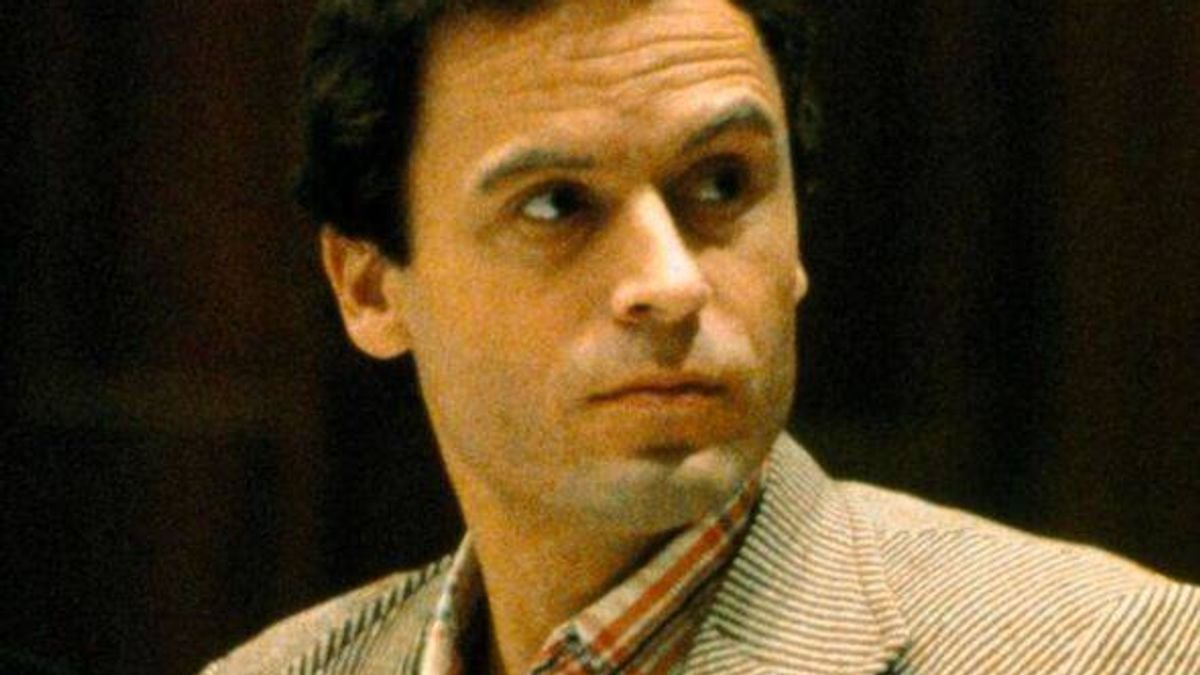


Thirty-seven years ago today, one of the most notorious serial killers in American history was executed, bringing an end to a life characterized by wickedness and brutality. On January 24, 1989, Ted Bundy met his fate in the electric chair after spending years on death row in Florida. Despite his legacy of shocking violence, Bundy’s final words were unexpectedly tranquil. Moments before his execution, he quietly expressed a desire for his love to be conveyed to his family and friends.
Outside the Florida State Prison, chaos reigned as hundreds gathered to witness the killer’s demise. Some demanded justice for Bundy’s numerous victims, while others turned the event into a celebratory affair, drinking and setting off fireworks. Inside the prison, witnesses observed Bundy being prepared for execution, with a hood placed over his head before the lethal electric current was administered, resulting in his swift death.
In his last months, Bundy confessed to a series of murders he had previously denied, admitting to the killings of at least 30 women and girls between 1974 and 1978 across various states, though authorities suspect the actual number may be higher. Former FBI agent William Hagmaier revealed that Bundy viewed killing as a means of control rather than driven by emotion, suggesting that his composed demeanor and peaceful final words reflected a self-centered individual focused on himself rather than his victims.
The path that led Bundy to the electric chair was a dark one. Born in 1946, he grew up in a troubled family and later discovered that his supposed parents were actually his grandparents. Despite appearing intelligent and ambitious during his youth, Bundy harbored a sinister double life of extreme violence beneath his charming and polite exterior. Targeting young women, he would deceive them, often feigning injury or authority to gain their trust before abducting, assaulting, and ultimately killing them, sometimes returning to the bodies later.
Bundy’s reign of terror eventually came to an end, marred by dramatic escapes from prison and further murders, including the tragic death of 12-year-old Kimberly Leach in Florida. Despite his successful evasion of capture for a considerable time, Bundy’s hubris ultimately led to his downfall. Insisting on representing himself in court and rejecting a plea deal that could have spared him from the death penalty, Bundy’s arrogance sealed his fate.