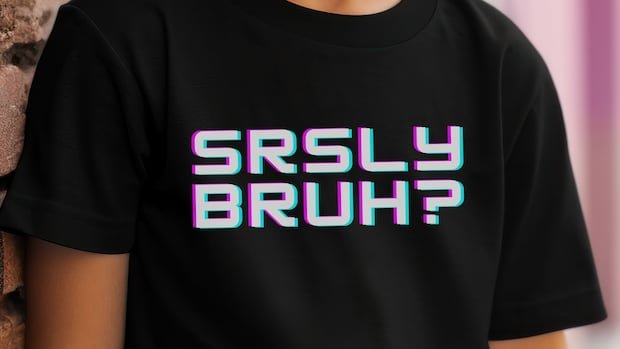


Sam Joseph Karam, the owner of Customized Designs, a U.S.-based apparel company, was surprised to receive an email from Etsy informing him that 11 of his T-shirt designs featuring the term “bruh” had been removed due to a trademark infringement claim. This was unusual for Karam as typically only one or two listings are affected, not 11 in a row. Consequently, his Star Seller badge on Etsy was revoked, leading to a noticeable decline in sales.
The complaint against Karam’s designs was lodged by Malik Yawar Abbas, the holder of a Canadian trademark for the term “bruh.” Several other Etsy sellers shared similar experiences with CBC News, reporting their items being taken down following complaints by Abbas.
Karam criticized Abbas, accusing him of “trademark squatting” by merely licensing the word for profit instead of producing any products himself. Legal experts suggest that platforms and the legal system need to improve measures to prevent such misuse of trademarks.
The Canadian Intellectual Property Office (CIPO) granted a trademark for “bruh” in July 2025, allowing its use in various clothing categories. Another trademark was recently approved for Abbas to advertise restaurant services using the same term.
After his listings were removed, Karam visited the trademark holder’s website, where he found information on licensing the “bruh” trademark. Abbas defended his actions, stating that the purpose was to demonstrate potential commercial applications of the brand.
When Karam contacted Abbas to request withdrawal of the complaints, Abbas demanded $1,000 as a settlement. Karam refused, labeling the situation as “trademark squatting.” Abbas later withdrew the complaint to Etsy, but Karam is exploring legal options to challenge the trademark’s validity based on bad faith.
According to intellectual property law expert Carys Craig, a trademark can be invalidated if filed in bad faith under Canadian law. The use of the “bruh” trademark by Abbas is being scrutinized for potential bad faith practices.
Paula Clancy, an intellectual property law partner, highlighted that trademark infringement depends on how the alleged infringer uses the trademark. The lack of an appeals process on Etsy poses challenges for sellers affected by trademark takedowns.
Cases like this are rare in Canada, with concerns raised about trademark squatting and over-enforcement potentially slipping under the radar. Tighter regulations and improved processes for challenging trademarks are suggested to prevent such issues in the future.