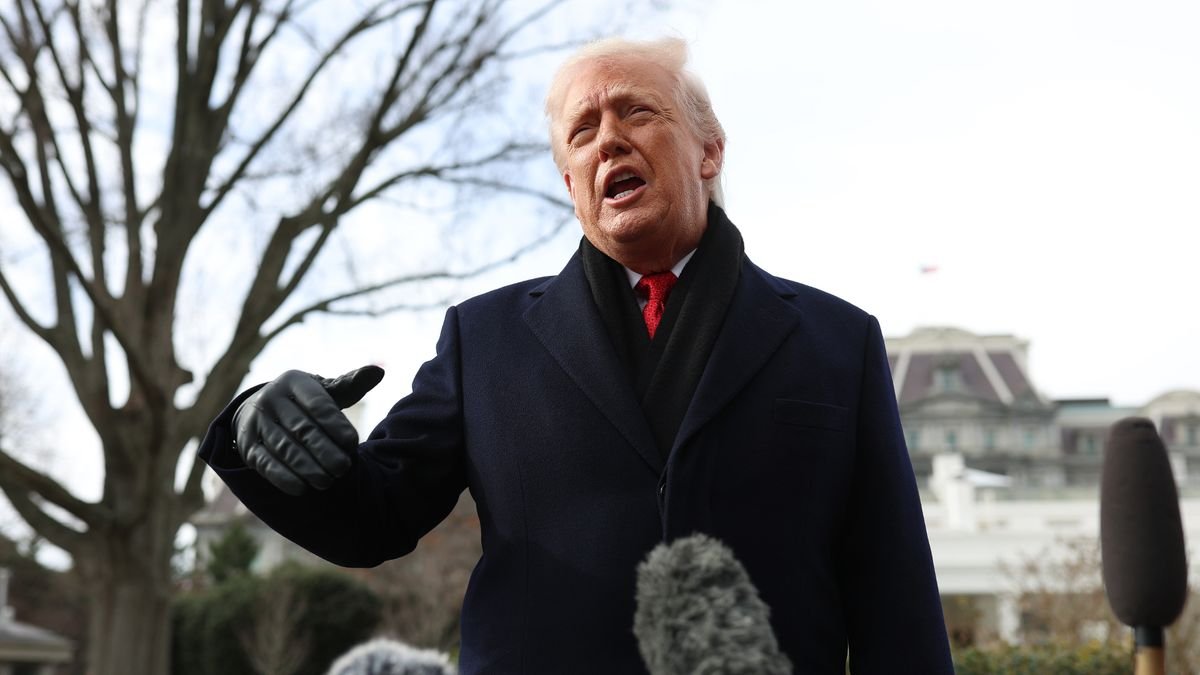


A mental health expert has revealed the underlying reasons for the unpredictable behavior displayed by former President Donald Trump during his time in office.
Recent actions include blaming Norway for not winning the Nobel Peace Prize, overseeing a military operation in Venezuela, and suggesting a ban on college football games conflicting with the Army-Navy fixture.
According to reports, Trump wrote a letter to Norway’s Prime Minister expressing his disinterest in peace efforts after not receiving the Nobel Peace Prize. This behavior is seen as part of a consistent pattern rather than isolated incidents.
Psychotherapist Marygrace Anderson explained that Trump’s actions can be explained by his leadership style, emphasizing stimulation, visibility, and control over traditional norms.
Trump’s behavior has been marked by controversies, including criminal allegations and instances of deflecting accusations by attacking the accusers. He has also faced legal challenges and maintained a defiant self-image through it all.
Experts suggest that Trump’s actions are driven by a need to reinforce his identity under pressure, maintaining a narrative of strength and opposition to perceived elites.
Recent revelations regarding correspondence between Jeffrey Epstein and Ghislaine Maxwell mentioning Trump have sparked political debates, with Democrats and Republicans offering conflicting interpretations of the information.
In understanding Trump’s behavior, it is important to consider psychological contexts without necessarily endorsing or condemning his actions. By analyzing events through this lens, a more informed and less reactive public dialogue can be fostered.