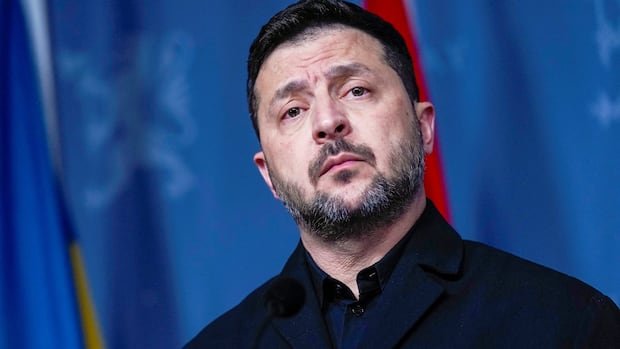


Ukrainian President Volodymyr Zelenskyy announced on Tuesday that Kyiv has resumed receiving advance alerts from its allies following recent missile strikes by Russia that occurred with insufficient warning. Zelenskyy had expressed concern for a week about the lack of early warnings regarding ballistic missiles targeting the capital, emphasizing the critical role of such intelligence in saving lives by enabling timely alerts to the public and providing military units with the opportunity to intercept the missiles.
The shift in the situation was attributed to discussions with American officials, including a phone conversation with U.S. Secretary of State Marco Rubio. Zelenskyy, during a visit to Norway, expressed gratitude for the improved intelligence sharing, particularly for the early warning system that plays a vital role in protecting the Ukrainian population, including children and civilians, by alerting them to incoming ballistic threats.
Meanwhile, Russia conducted another round of missile and drone attacks on civilian areas in Ukraine, resulting in at least nine fatalities, as Zelenskyy appealed for increased support from the U.S. and Europe. The Ukrainian President, accompanied by U.S. envoy Steve Witkoff in Norway, engaged with Norwegian Prime Minister Jonas Gahr Støre and Finnish President Alexander Stubb to discuss efforts to end the ongoing conflict between Russia and Ukraine.
In a positive development, Witkoff was scheduled to travel to St. Petersburg for further discussions with Russian leaders to share insights and proposals from the Oslo meeting with European and American counterparts. Russian Foreign Minister Sergey Lavrov expressed willingness to consider new U.S. suggestions regarding Ukraine but cautioned against expecting immediate breakthroughs.
On the diplomatic front, U.S. President Donald Trump urged Zelenskyy to negotiate a deal with Russia, highlighting the strained relations between the two leaders. Addressing concerns raised by Zelenskyy about a perceived slowdown in U.S. support, Rubio dismissed the notion of intentional hindrance, emphasizing that limited availability of Patriot air defense interceptors was a global issue and not a deliberate tactic against Ukraine.
European nations, recognizing the strategic importance of Ukraine in countering Russian influence, have stepped up support amid concerns about potential reductions in U.S. aid. Despite challenges, European countries and EU institutions have allocated substantial resources to assist Ukraine in its conflict with Russia, underscoring the collective international efforts to address the crisis.