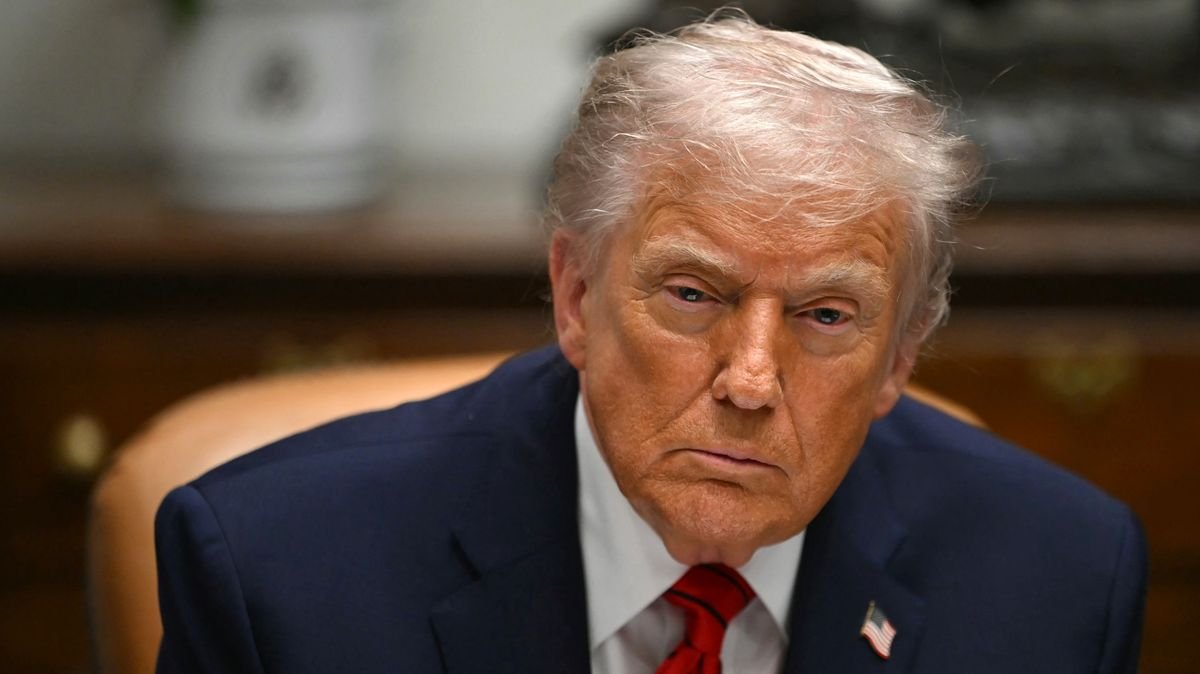


Donald Trump has made a comeback to the White House, promising a new era of control, order, and results. However, his presidency’s second year has been marked by recklessness, unfulfilled promises, and a focus on self-interest. Trump’s leadership style has been criticized for disregarding democratic norms and the rule of law, with a rapid pace of executive orders and a tendency to view allies as obstacles rather than partners.
His foreign policy decisions have strained longstanding alliances and raised concerns about the stability of global relationships. Trump’s approach to international conflicts, such as in the Middle East and Venezuela, has been met with skepticism due to its unilateral nature and disregard for diplomatic norms. Domestically, his administration has faced challenges with economic policies, trade disruptions, and controversial immigration actions that have divided communities and raised civil rights concerns.
The handling of the Epstein files has also drawn criticism, with accusations of lack of transparency and potential motives to protect influential figures. Trump’s governing style, characterized by spectacle and executive orders, has faced legal challenges and resistance, leading to a contentious environment. As the midterm elections approach, there is growing uncertainty about the future of Trump’s presidency, with potential consequences for his administration depending on the election outcomes.