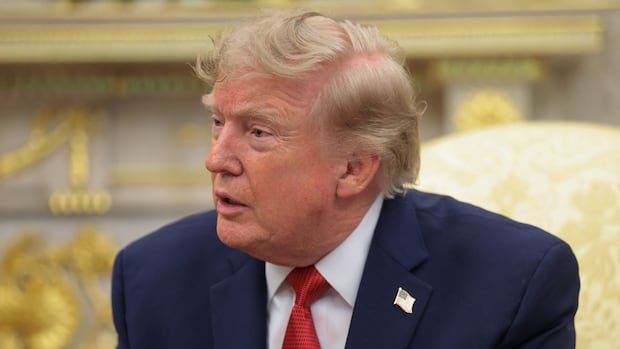


U.S. President Donald Trump has once again issued a warning to Oman amid reports of collaboration between Iran and the Gulf Arab nation on a strategy to oversee ship movements in the Strait of Hormuz. The complete reopening of the crucial water passage has been a primary requirement from the U.S.
As the 60-day negotiation period to reach a peace agreement between the U.S. and Iran neared its end with no extension announced, both parties seemed as divided as when the discussions began. Here are the latest updates on the ongoing tensions between the U.S. and Iran and Israel.
“Iran said it has finalized a deal with Oman concerning the passage of ships through the Strait of Hormuz, which connects both countries, and they are currently hashing out the specifics for an official joint statement,” stated Iranian Foreign Ministry spokesperson Esmail Baghaei in Tehran.
While details were not provided, hints suggest that the agreement would permit ships to enter the strait near Iran and exit close to Oman without incurring fees during an interim period, aiming to facilitate the reopening of the waterway, a critical route for global oil trade.
In a previous incident, Trump was reported to have threatened Oman during an interview with Fox News, indicating that the U.S. would take military action against Oman if it interfered, using strong language to emphasize the point. This was not the first time Trump had made such threats, as he previously mentioned during a cabinet meeting in May that Oman would face consequences if it did not comply.
Amid the escalating tensions, UN Secretary-General António Guterres urged both Iran and the U.S. to resume peace talks, emphasizing that a military solution is not the way forward and calling for a reduction in the inflammatory rhetoric from both sides.
Furthermore, Yemen’s Houthi rebels claimed responsibility for attacking a ship and four military vessels near the Bab el-Mandab Strait in the Red Sea. The rebels alleged that the targeted vessels belonged to Saudi Arabia, although no immediate verification was available.
In a separate incident, drone attacks targeted Iraqi officials in northern Iraq, originating from the border with Iran, as confirmed by the regional counterterrorism service. The attacks, aimed at prominent government figures, did not result in any casualties, and the responsible party remained unknown.
As the situation escalates, with ongoing attacks and threats, the region remains volatile, with diplomatic efforts to ease tensions proving challenging.