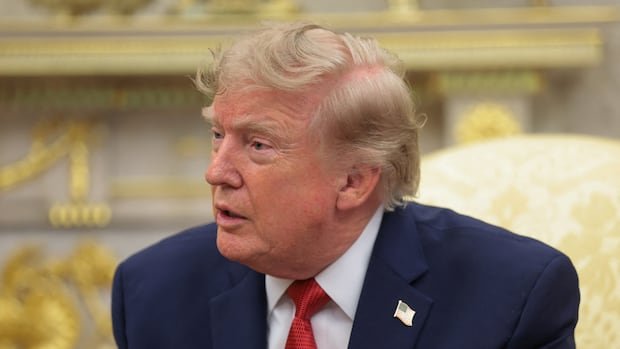


U.S. President Donald Trump revealed late Tuesday that he would delay the enforcement of 50 percent tariffs on various Canadian goods for three days, making the announcement less than two hours before the tariffs were set to go into effect. Initially, Trump stated in an online post that he postponed the tariffs due to a potential agreement between Canada and the U.S., pending finalization of the necessary documents.
A subsequent statement from the White House described the suspension as being in the public interest, highlighting Canada’s commitment to addressing trade issues raised by the Trump administration, which were the primary reasons behind the tariff threats. In response, Canadian Prime Minister Mark Carney characterized the decision as a temporary postponement to allow for ongoing trade discussions, emphasizing the progress made so far while acknowledging the work still ahead to strengthen Canada’s economy.
The impending tariffs, originally scheduled to commence at 12:01 a.m. ET, were designed to impact a wide array of products valued at over $28 billion, including items like plywood, cement, wine, and hockey sticks. The delay provides negotiators with additional time to reach a resolution before the looming deadline, easing concerns for businesses on both sides of the border regarding potential disruptions to supply chains and increased costs for consumers.
Although the temporary relief offers a reprieve, there is uncertainty about the long-term implications as Trump has not confirmed whether a finalized deal would result in the permanent cancellation of the tariffs. Negotiations between Canadian and American representatives have been intensive and complex, with discussions focusing on various trade aspects, including the contentious issue of auto tariffs.
While both sides have made progress, disagreements persist, particularly concerning the application of tariffs on Canadian automobiles destined for the U.S. Despite ongoing challenges, efforts to find common ground continue, with both nations striving to secure a mutually beneficial agreement. The deadline extension provides a critical window for further negotiation, underscoring the importance of resolving trade disputes to foster economic stability and growth.
As talks proceed, the focus remains on achieving a balanced trade relationship that benefits both countries. The evolving nature of the negotiations underscores the complexities involved in reaching a comprehensive agreement that addresses key trade issues and promotes economic prosperity for all parties involved.