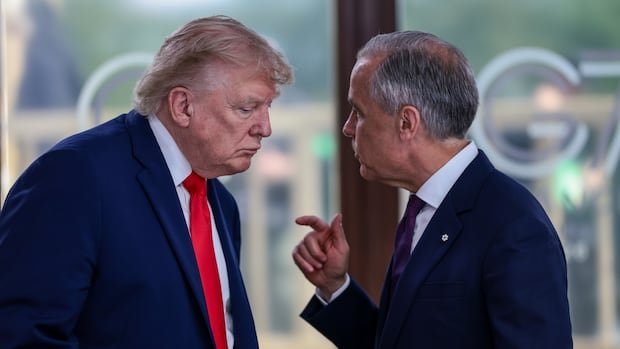


U.S. President Donald Trump has issued a directive to prohibit the entry of Canadian alcohol, motorcycles, and a range of other items into the United States. The new policy, which Trump formally enacted by signing five proclamations on Tuesday, will come into effect on September 29. Additionally, a 50 percent tariff will be imposed on various products starting next week.
The banned Canadian imports now include whey products, molasses, certain dairy items, paper and wood products, aluminum goods, furniture, and mattresses. These measures mark the latest development in the escalating trade tensions between Canada and the U.S., following the enforcement of Canadian retaliatory tariffs on Tuesday due to failed trade negotiations last month.
An unnamed senior official from the Trump administration revealed that the decision to implement import bans rather than tariffs was influenced by some Canadian provinces’ prohibition of American alcohol sales in provincially managed stores. The official justified the actions as a means to ensure fair competition, protect American manufacturing, and respond to Canada’s unique choice to retaliate against the U.S.
It was estimated by the official that the import ban would impact Canadian goods worth “single-digit billions” of dollars. Trump utilized Section 338 of the U.S. Tariff Act, also known as the Smoot-Hawley Act, to enforce these import restrictions. The proclamations also outline the removal of tariffs on several products such as salt, toilet paper, refined lead, and fishing rods.
Furthermore, Trump recently directed the General Services Administration to exclude Canadian-origin products from certain U.S. government procurement contracts. While this program represents around $50 billion in yearly procurement, only 58 Canadian companies were awarded contracts through it in the most recent fiscal year.
In response to these developments, Canada-U.S. Trade Minister Dominic LeBlanc expressed dissatisfaction with the U.S. actions, emphasizing the government’s commitment to safeguarding Canadian interests. Prime Minister Mark Carney emphasized Canada’s strategy to diversify trade relationships away from the U.S. and pursue new agreements with other countries to reduce dependency on American trade.
Negotiations between Canadian and American officials had been ongoing, aiming to secure tariff relief for Canada in critical sectors. However, following perceived unfavorable terms from the U.S., the Canadian government chose to discontinue negotiations. Prime Minister Carney labeled the U.S. proposals as economically unviable, prompting the decision to pursue alternative trade strategies.