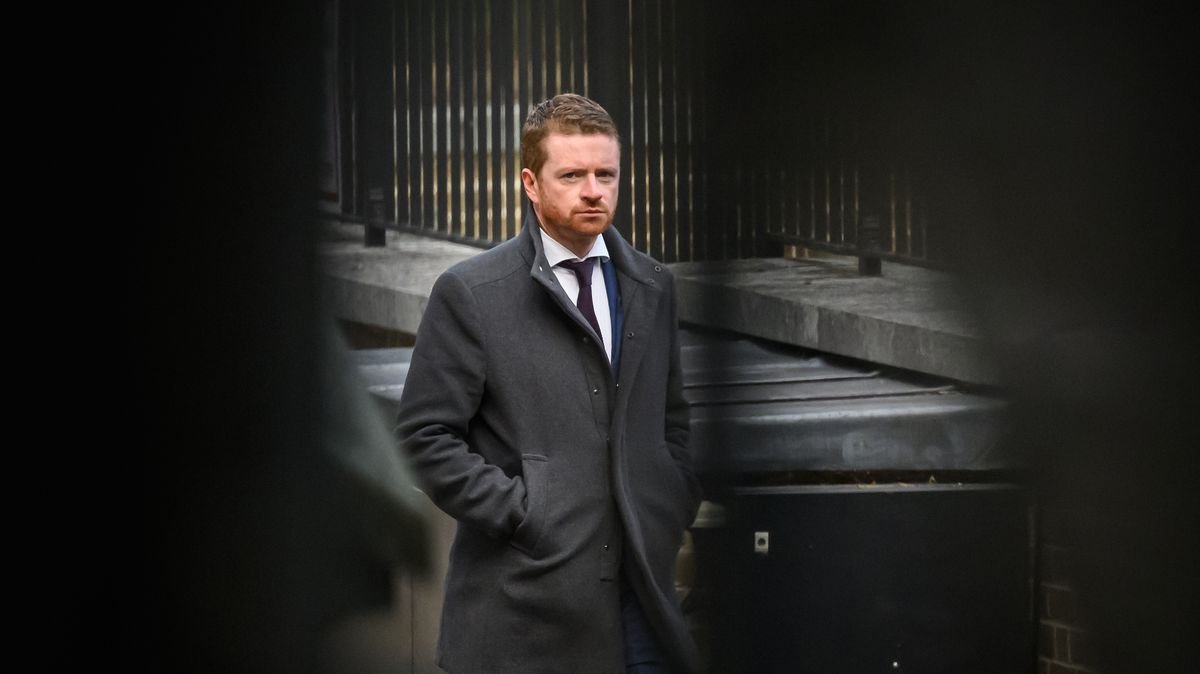


In a significant development, Keir Starmer is now facing the challenge of steering his political course without the guidance of his trusted advisor, Morgan McSweeney. McSweeney, known for orchestrating Starmer’s rise within the party ranks and towards the Prime Minister’s residence, has drawn both praise and criticism for his role behind the scenes. However, recent missteps and public backlash have led to his resignation, a move he deemed necessary and honorable.
The spotlight on advisors in political circles, exemplified by past incidents like Dominic Cummings under Boris Johnson’s tenure, underscores the delicate nature of such roles. The controversial appointment of Peter Mandelson as the White House ambassador has fueled discontent, with demands for accountability echoing loudly.
McSweeney’s departure signals a pivotal moment for Starmer’s leadership as he aims to weather the storm and regain trust. While taking responsibility for misguided counsel, McSweeney’s exit may offer some respite for Starmer, though challenges persist as calls for leadership change intensify.
As reactions pour in, contrasting views emerge, with calls for resignation juxtaposed against warnings of destabilizing leadership speculation. The turbulent nature of politics surfaces once more, highlighting the pressures faced by key aides in navigating political landscapes.
From policy missteps to internal upheavals, McSweeney’s tenure has been marred by challenges. His departure leaves Starmer in search of a new ally to guide him through turbulent waters and refocus on strategic governance amid mounting pressures.
The road ahead for Starmer remains arduous as he seeks to regroup, restore order, and prioritize governance amidst a backdrop of uncertainty and scrutiny.