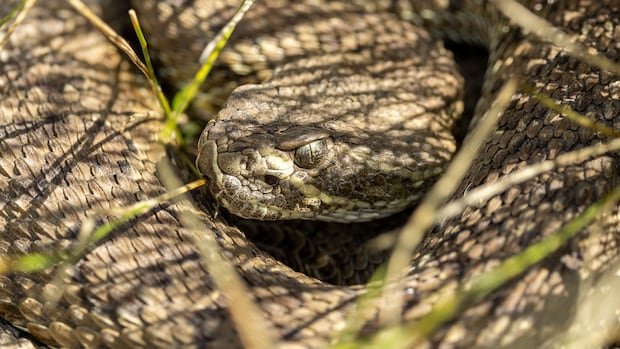


Lethbridge’s resident rattlesnake handler, Ryan First Diver, has had a particularly active year. He is the primary responder to 70% of calls made to a hotline managed by the City of Lethbridge for public snake sightings. The city’s rattlesnake mitigation program relocates snakes from public areas to their natural habitats, including dens, wintering locations, or birthing grounds.
This year, a total of 211 snakes, including rattlesnakes and bullsnakes often mistaken for rattlers, have been relocated. This figure marks an all-time high, according to First Diver. Dave Henley, a senior bylaw officer with the City of Lethbridge, also handles snake calls and mentioned that the city typically receives around 150 to 160 calls annually.
Residents have become more snake-conscious over the years, thanks to First Diver’s social media posts. He noted a surge in calls when he initially started posting but believes the numbers have since stabilized as the community has become more informed about snake awareness and where to seek assistance.
If residents in Lethbridge have snake concerns, they can contact the city’s hotline at 403-332-6806.
First Diver emphasized that many misconceptions about rattlesnakes exist. Contrary to popular belief, rattlesnakes are not aggressive and tend to strike only when cornered or stepped on. They usually rely on camouflage and avoid confrontation with humans. Liccioli, a senior biologist in Alberta, highlighted that no fatalities from rattlesnake bites have been reported in the province.
The increasing number of snake-related calls in Lethbridge could indicate a rise in the snake population or heightened awareness among residents. Ongoing studies aim to better understand the local rattlesnake population and their behaviors, including tagging some snakes with transmitters for tracking purposes.
Solid data on Alberta’s snake population trends is anticipated within the next five to ten years. This information will aid in evaluating environmental pressures on snakes and potential conservation measures needed to protect them.