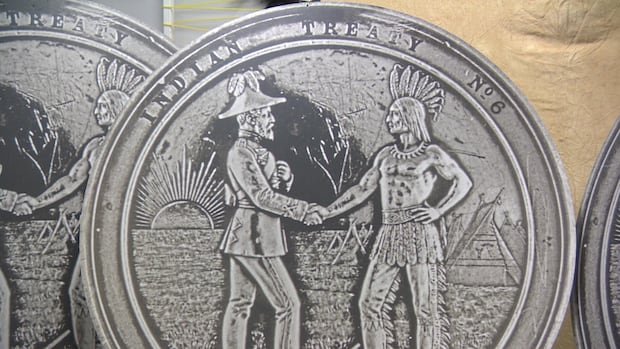


First Nations communities throughout Treaty 6 territory are commemorating the 150th anniversary of the 1876 agreement with the Crown this month. However, the upcoming Alberta independence referendum has overshadowed these celebrations for some individuals.
The referendum in Alberta includes a question about whether the province should continue being part of Canada or initiate a process for a binding referendum on separation. This question is causing concern among many First Nations people who fear it could jeopardize their treaty rights and other entitlements.
Grand Chief Joey Pete of the Confederacy of Treaty 6 First Nations, which represents nations in Alberta, expressed the intention to encourage First Nations members to participate in the voting process. He emphasized that the treaty is unrelated to Alberta and that the province acts as a representative of the Crown in the agreement.
The treaty grants various rights to First Nations, such as health care, education, and the freedom to hunt and live off the land, rights that are still applicable today. According to Janice Makokis, an assistant professor at the University of Windsor and a member of Saddle Lake Cree Nation, Canada has a legal obligation to act in the best interests of First Nations.
A separatist group named Stay Free Alberta initiated a citizen petition last year, advocating for Alberta’s independence from Canada. The Alberta government formulated its own referendum question on the matter, leading to legal battles with First Nations who argue that the question poses a threat to their treaty rights.
The Confederacy of Treaty 6 First Nations organized a series of events leading up to the treaty’s August 23 anniversary. Grand Chief Joey Pete expressed disappointment that the UCP government did not send representatives to these events, indicating a lack of reconciliation efforts.
Treaty 6 was initially signed in 1876 at Fort Carlton, covering a vast area across central Alberta and Saskatchewan, with additional First Nations later joining the treaty in Manitoba. Dwayne Donald, a professor at the University of Alberta, emphasized the significance of Treaty 6 in Alberta’s historical integration into Canada.
Various separatist groups in Alberta have proposed ideas on how relations between First Nations and an independent Alberta could unfold. They claim that First Nations’ rights, including education and land usage, would be upheld in an independent Alberta scenario.
Despite these claims, some First Nations leaders like Chief Vernon Watchmaker of Kehewin Cree Nation oppose the idea of separation, emphasizing unity over division. It is stressed that international treaties like Treaty 6 cannot be overridden and hold sacred significance for the involved nations.
Dwayne Donald, who has ancestral ties to the Papaschase First Nation, highlights the forgotten indigenous history of the Edmonton region and the impact of urban development on indigenous communities. He warns against ignoring the sovereignty and historical presence of First Nations in discussions surrounding separatism.