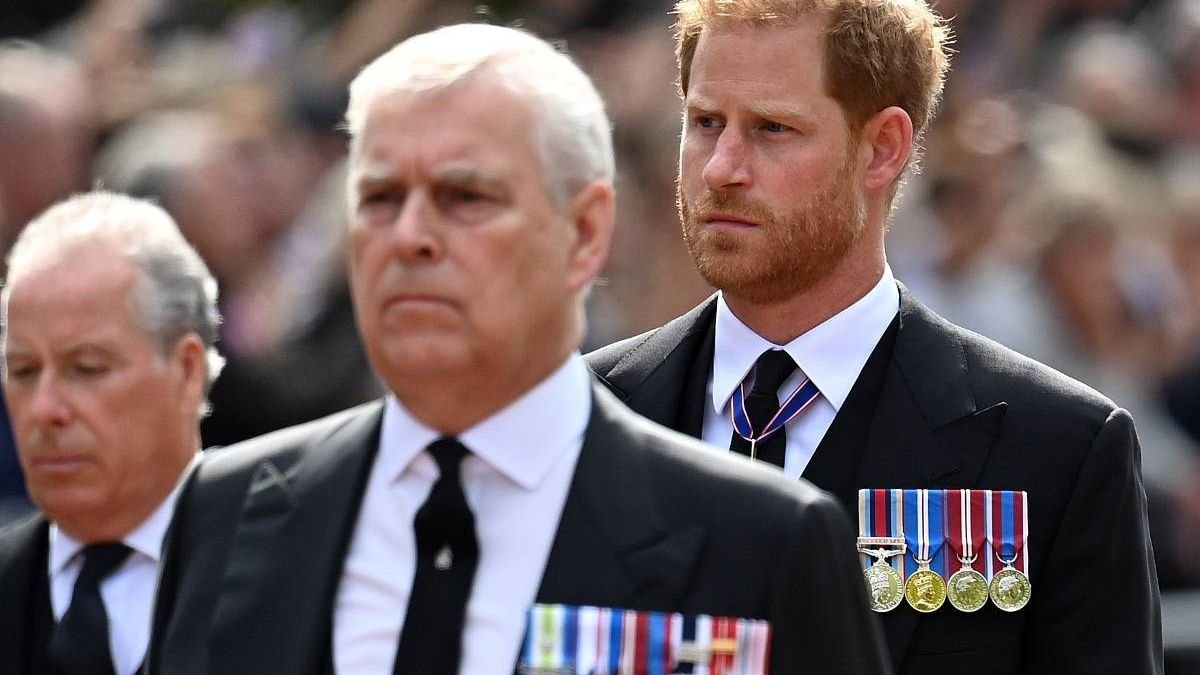


Prince Harry has demonstrated a proactive stance in comparison to his controversial uncle, Andrew Mountbatten Windsor. The disgraced prince was taken into custody on suspicion of misconduct in a public office, notably sharing sensitive information with convicted sex offender Jeffrey Epstein, a revelation from the Epstein files dating back to Andrew’s time as a trade envoy. This incident, involving confidential documents related to investments in Afghanistan, occurred despite the perception that Andrew had severed ties with Epstein. The irony lies in the region’s significance, as it overlaps with Prince Harry’s military service, where he has been vocal about his experiences. Despite the differing reactions, with Harry and Meghan losing their security detail after stepping back from royal duties, while Andrew retained his for an extended period, Harry’s memoir sheds light on the family dynamics and the challenges faced within the monarchy. The narrative highlights the disparities in treatment between family members and the broader implications for the institution. The ongoing scrutiny surrounding Andrew’s actions and the delayed responses from other royals underscore the evolving dynamics within the royal family. Harry’s decision to address the issues publicly has sparked conversations about accountability and transparency within the monarchy, challenging traditional norms. As the royal family grapples with internal tensions and public perceptions, the contrasting treatment of family members continues to fuel debates on fairness and accountability within the institution.