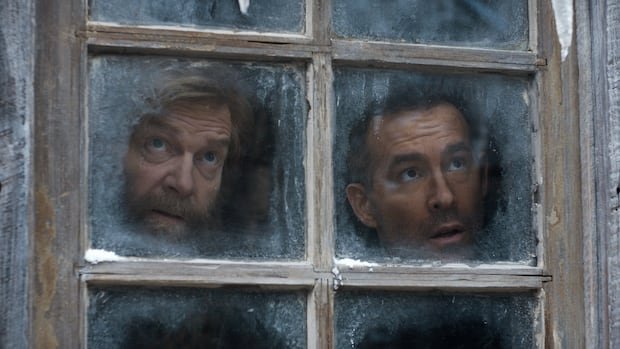


In an era where understanding the humanity of others remains a challenging task, the film “Mayday” delves into the unlikely bond between an American and a Soviet soldier. The story follows ex-KGB agent Nikolai (Kenneth Branagh) as he aids U.S. navy pilot Troy (Ryan Reynolds) in Soviet territory, challenging stereotypes and preconceptions. Nikolai’s compassionate actions are initially viewed with suspicion, raising doubts about his true intentions amid Cold War tensions and personal conflicts.
The film highlights the theme of recognizing the complexity and genuineness of individuals from different backgrounds. “Mayday” successfully combines action, comedy, and character dynamics, with Branagh portraying a charismatic yet kind-hearted figure, while Reynolds excels as the witty counterpart navigating through chaos and danger. The movie strikes a balance between humor and intensity, avoiding clichés and monotony often associated with similar genres.
Directors Jonathan Goldstein and John Francis Daley skillfully capture the essence of the narrative, blending compelling visuals with impactful storytelling. The cinematography mirrors Nikolai’s composed demeanor amidst chaotic situations, emphasizing a less-is-more approach that stands out in a landscape of fast-paced editing styles. “Mayday” offers a nostalgic nod to ’80s cinema, reminiscent of classic action thrillers with a hint of modern flair.
While exploring the dynamics between the characters, the film subtly challenges conventional portrayals of American and Russian identities, steering away from simplistic hero-villain narratives. It prompts viewers to question the blurred lines between good and evil during the Cold War era, reflecting on the humanity shared by individuals on opposing sides of conflicts. “Mayday” serves as a reminder that understanding and empathy transcend political divides, underscoring the universal connection that defines us all.