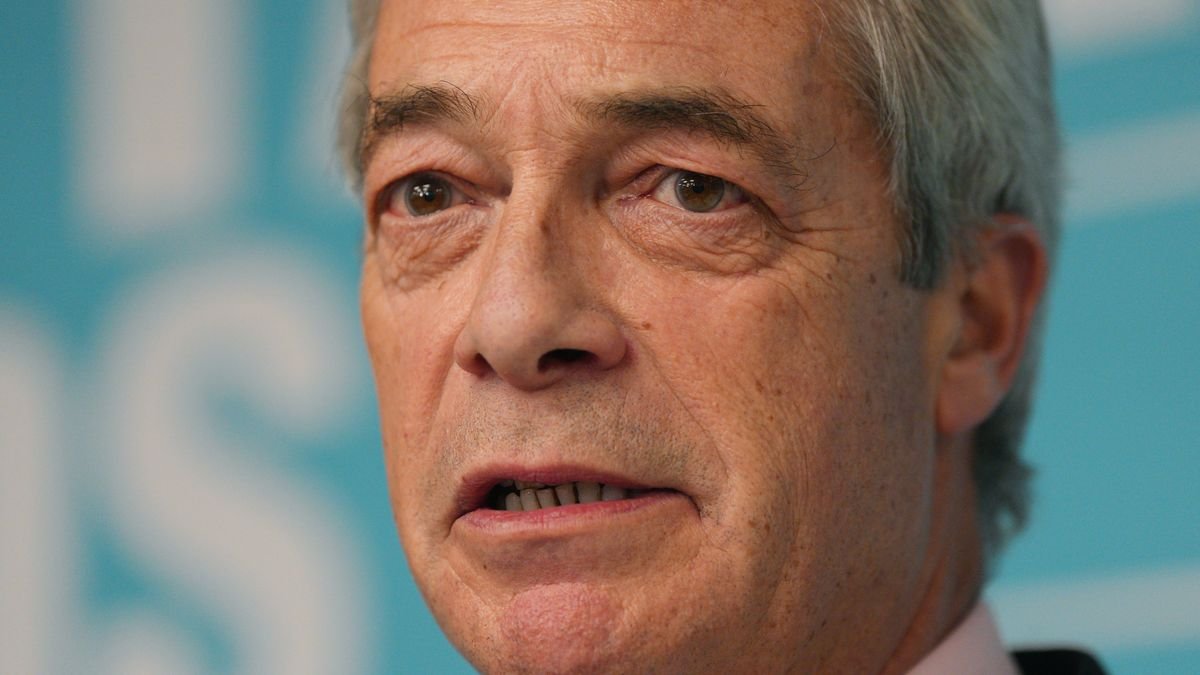


Defence Secretary John Healey expressed concerns about entrusting Britain’s national security to Nigel Farage. He criticized Farage for opposing government plans to deploy UK troops alongside France in Ukraine if a peace agreement is reached. He highlighted Farage’s admiration for President Putin and his party’s stance on Russian issues. He referenced the imprisonment of Reform’s former leader in Wales for accepting Russian bribes and Farage’s past comments praising Putin.
In contrast, Keir Starmer outlined plans for military cooperation with France in Ukraine, including establishing military hubs and providing weapons support. He assured a parliamentary vote on deploying troops post-ceasefire. However, Farage opposed these plans, questioning the feasibility of a sustained military mission.
Healey affirmed his confidence in the British forces’ capabilities to defend and deter threats globally. He emphasized the importance of international support for Ukraine and urged Putin to match his peace rhetoric with actions. He highlighted the escalating threats posed by Putin’s actions, including naval and cyber activities.
A spokesperson for Reform UK defended Farage’s stance, emphasizing the party’s commitment to defending NATO airspace against Russian aggression. They also stressed the importance of not allowing any peace agreement to benefit Putin.
The ongoing tensions in Ukraine and global security challenges were acknowledged by Healey, who emphasized the need for vigilance in the face of rising threats. He called for continued support for Ukraine and emphasized the need for collective action against aggressive actions.
Overall, the contrasting views on national security and military involvement in Ukraine reflect the broader geopolitical complexities and the divergence in political perspectives on handling international crises.