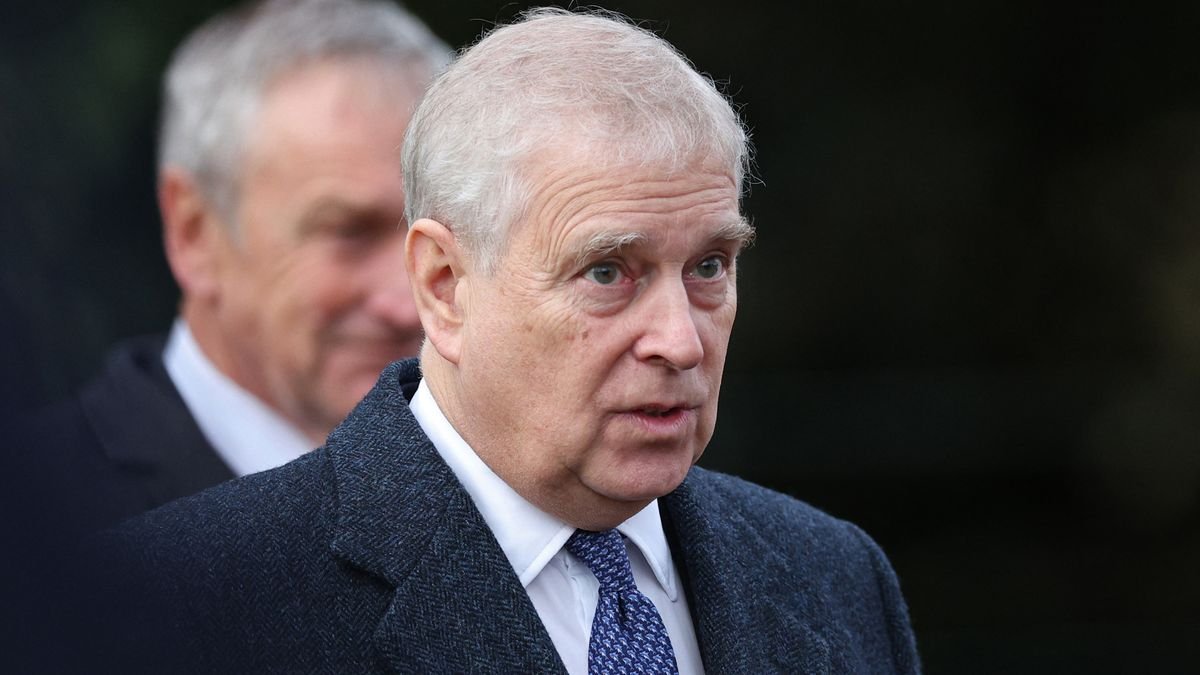


The recent publication of the Epstein files was anticipated to bring accountability but has instead led to further disappointment. Despite revelations about Andrew Mountbatten Windsor’s connection to Jeffrey Epstein, calls for his testimony in front of the US Congress remain unmet. Andrew, having faced consequences like losing his Dukedom and royal duties, believes he has already faced enough punishment.
In the eyes of the public, justice is often seen in legal proceedings and sentences. However, for the privileged, justice seems to be more about reputation and avoiding the limelight. The release of the documents related to Epstein by the US Justice Department has left many unsatisfied, with survivors feeling that powerful individuals continue to be shielded.
The files reveal Epstein’s continued interactions with influential figures, including Bill Gates, Elon Musk, Peter Thiel, and Donald Trump. Despite their appearances in the documents, none have been compelled to testify or publicly explain their involvement with Epstein. This lack of accountability highlights the influence of power in avoiding scrutiny.
Survivors have criticized the release of the files for failing to address Epstein’s enablers, emphasizing that without consequences, justice is incomplete. While some key figures associated with the scandal have faced repercussions, many others seem to remain protected by their status and connections.
The Epstein files were expected to bring closure to a troubling abuse scandal but have instead underscored the reality that power often shields individuals from facing true accountability. In the world of the wealthy and influential, managing scrutiny seems to take precedence over facing consequences.