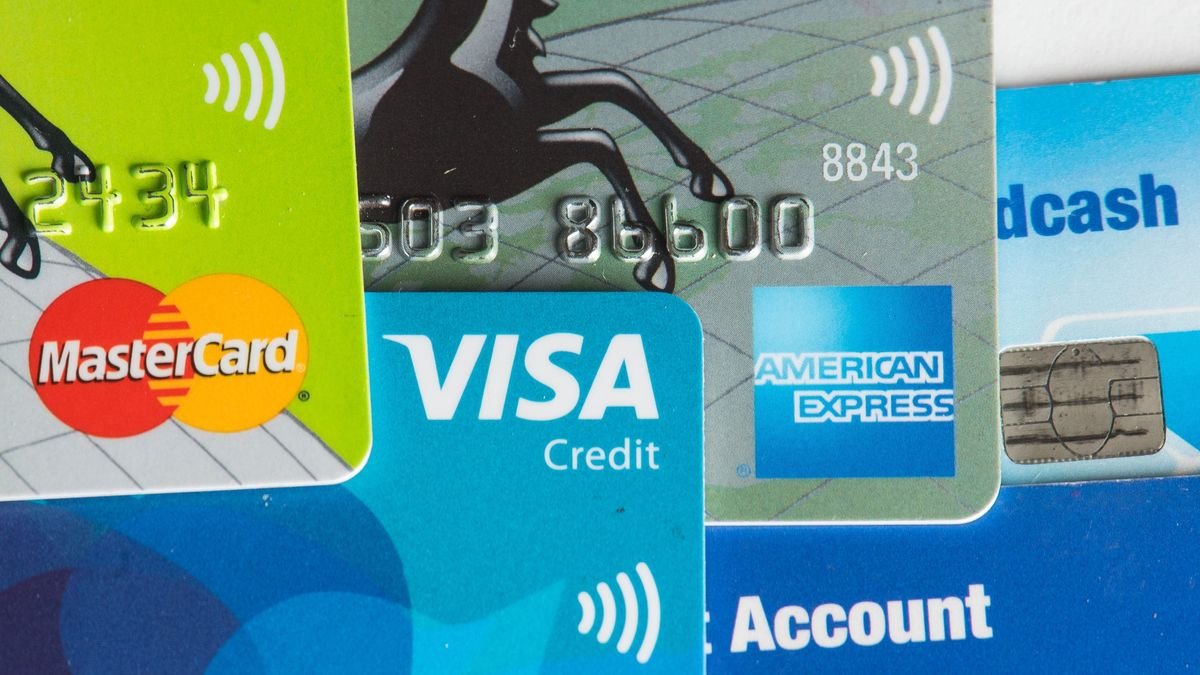


Millions of credit card users are facing the highest interest rates in over two decades, despite overall interest rate decreases. Research by financial experts at Moneyfacts reveals that the average annual percentage rate (APR) on credit cards has surged to 35.8%, the highest recorded since June 2006.
Rachel Springall, a finance expert at Moneyfactscompare.co.uk, highlighted the significant increase in credit card usage over the past 20 years. She emphasized the importance of making fixed repayments to efficiently manage debt, as borrowing costs continue to rise.
These soaring rates contrast with the Bank of England’s current base rate of 3.75%, potentially hinting at another rate cut in the near future. Credit card companies are now charging nearly ten times the Bank’s base rate.
Despite the high interest charges, major UK banks like Barclays are reaping substantial profits, with Barclaycard alone contributing billions in profits. Data from UK Finance indicates a 2.6% year-on-year increase in credit card spending, reaching £21.4 billion in November 2025.
While nearly half of credit card balances are incurring interest, there has been a slight decrease in this percentage, suggesting more users are capitalizing on interest-free offers. To combat high interest costs, consumers can opt for lengthy interest-free balance transfer cards like the 38-month term offered by TSB.
Chartered wealth manager Philly Ponniah from Philly Financial expressed concerns about the growing outstanding balances and elevated interest rates on credit cards, warning that this combination could negatively impact mortgage applications. She emphasized the importance of managing credit card debt effectively to avoid financial setbacks.
Director Ranald Mitchell of Charwin Mortgages likened high credit card rates to a financial burden, cautioning against making minimum payments that can prolong debt repayment. He stressed the importance of understanding the implications of high APRs and their impact on overall financial health.