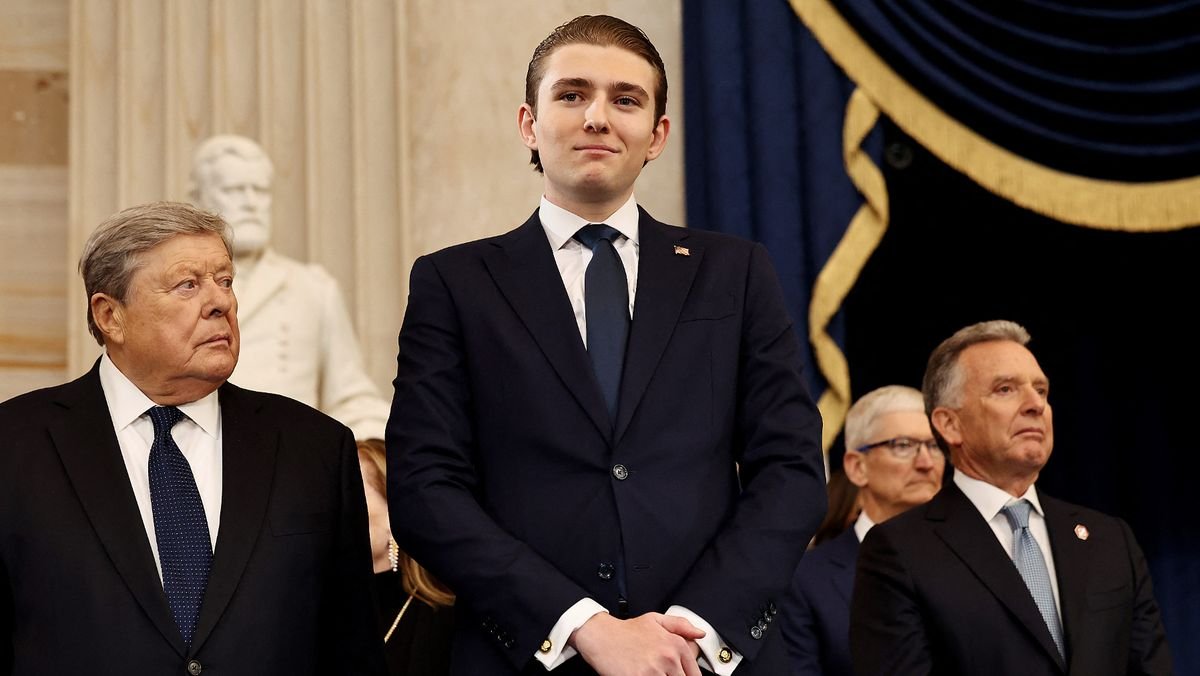


In an east London court, a British woman recounted how Barron Trump, the youngest son of Donald Trump, played a pivotal role in saving her life. Barron, 19, was on a FaceTime call with the woman in January 2025 when he witnessed her ex-boyfriend, Matvei Rumiantsev, allegedly assaulting her. Barron promptly dialed emergency services from the United States, alerting them to the unfolding attack.
Rumiantsev, a 22-year-old former MMA fighter, is currently facing trial for multiple charges including assault, bodily harm, rape, strangulation, and obstructing justice. Prosecutors claim that Rumiantsev became enraged over the woman’s friendship with Barron, leading to the violent incident on January 18 of the previous year.
During the attack, Rumiantsev reportedly subjected the woman to physical and verbal abuse, including kicking her, calling her derogatory names, and inflicting harm. Barron’s 999 call, where he urgently reported the ongoing violence, was played to the jurors during the proceedings.
Subsequently, police responded to the call, with bodycam footage showing officers questioning the woman about the incident. She revealed her connection to Barron Trump, prompting speculation among the officers about the caller’s identity.
Barron, in his testimony, described how he witnessed the distressing scene unfold during the FaceTime call and acted swiftly by alerting the authorities. He emphasized that calling for help was the most effective course of action in the situation.
The woman, acknowledging Barron’s crucial intervention, expressed gratitude for his assistance, describing the call as a life-saving moment. The court also heard about the abusive history between the woman and Rumiantsev, including allegations of assault, rape, and coercion.
Rumiantsev’s defense attorney challenged the woman’s allegations in court, accusing her of fabricating the claims of abuse. The woman vehemently denied these accusations, stating that such fabrications would be reprehensible to genuine victims of abuse.
The trial remains ongoing as the court assesses the evidence presented.