

Former Prime Minister Boris Johnson’s recent remarks about deploying British troops as ‘peaceful ground forces’ in Ukraine have stirred controversy. However, the practical implications of such a move are complex.
While Defence Secretary John Healey expressed willingness to deploy troops to Ukraine to facilitate peace negotiations and bolster a sovereign Ukraine, Johnson emphasized the need for immediate action. He suggested sending troops now, even before a ceasefire agreement with Russia, to demonstrate support for Ukraine.
However, the deployment of troops without a peace agreement could pose significant risks. The absence of security guarantees from Russia and Ukraine could make foreign troops vulnerable to attacks. Moreover, the resources allocated for troop deployment might be more effectively utilized in providing military aid to Ukraine to impact the ongoing conflict directly.
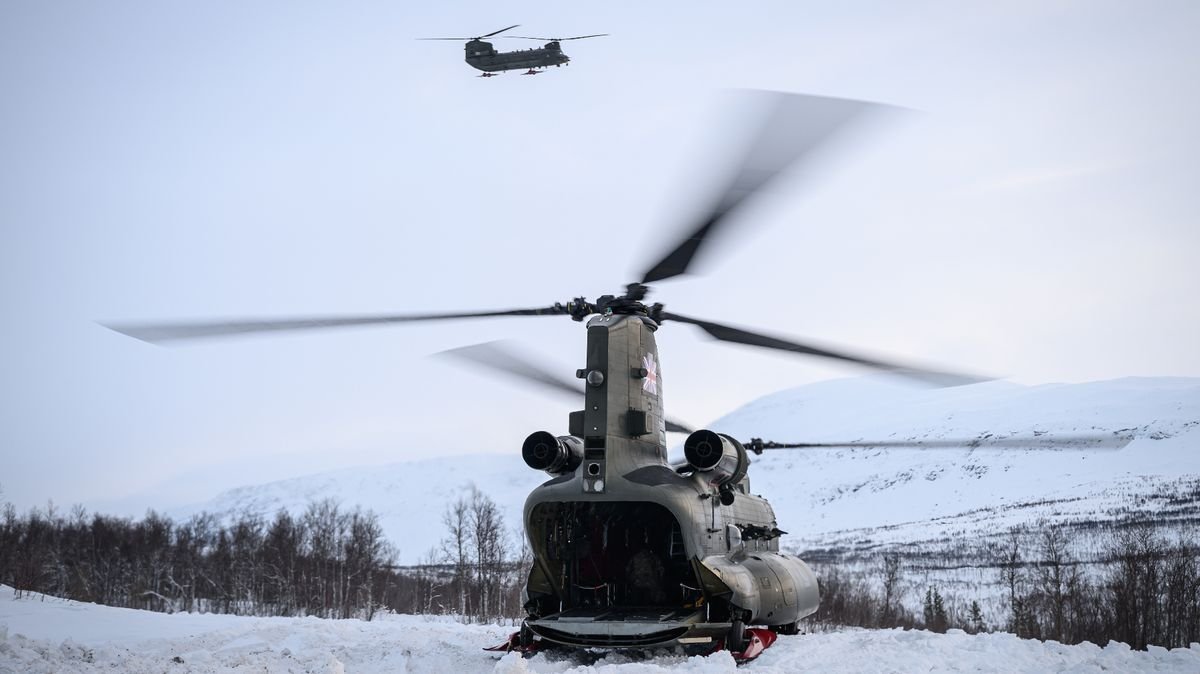
Sending troops to Ukraine would require a substantial military presence, including infantry, engineers, communications specialists, and logistical support. The potential deployment of over 1,000 UK troops, along with armored vehicles and air support, highlights the complexity and cost of such an operation.
Johnson’s proposal raises concerns about the readiness and strategic implications of immediate troop deployment. The intricacies of ensuring troop safety, adapting to evolving threats, and transitioning from a defensive stance to an active security role along the Ukrainian border underscore the challenges involved.
In conclusion, while the idea of sending troops to Ukraine may seem proactive, the risks and complexities associated with such a move warrant careful consideration. Strategic planning and coordination with international partners are crucial to ensure the effectiveness and safety of any potential military deployment in the region.