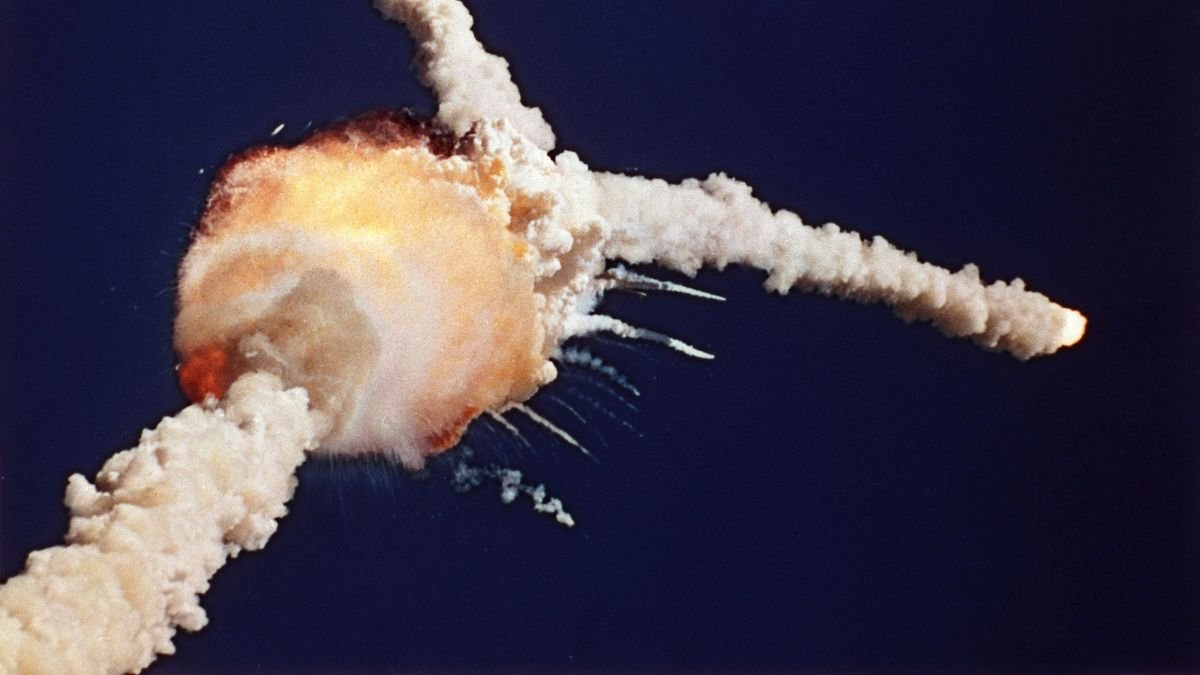


Millions of viewers watched in anticipation as the Space Shuttle Challenger prepared to launch on January 28, 1986. The mission was particularly noteworthy as it included Christa McAuliffe, the first teacher selected to venture into space out of over 11,000 applicants for the NASA program. Sadly, just 73 seconds after liftoff, the Challenger exploded, claiming the lives of all seven crew members onboard. Recent findings suggest that the astronauts may have remained alive for a few seconds after the explosion, challenging previous beliefs that they perished instantly. The investigation revealed that the force of the blast did not cause immediate fatalities, leaving the exact cause of death inconclusive. Despite the catastrophic event, evidence indicates that some crew members activated their emergency air packs, hinting at a potential loss of cabin pressure rendering them unconscious. The tragedy unfolded as a booster failure led to a devastating chain reaction that ultimately tore the shuttle apart, sending it plummeting back to Earth. The sequence of events leading to the Challenger disaster sheds new light on the final moments of the ill-fated mission.