

Canadian conservationists and wildlife experts express concern following the decision by the Trump administration in July to weaken habitat protections for endangered species in the United States. The U.S. Department of the Interior announced on July 10 that it was revoking a long-standing definition of “harm” under the Endangered Species Act (ESA). This move has drawn criticism from wildlife and environmental groups, who argue that it disregards the vital ecosystems that vulnerable species rely on, especially in the face of widespread biodiversity loss and industrial pressures.
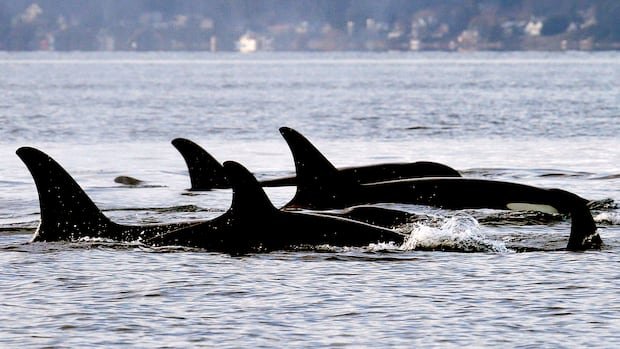
In response to the repeal, nearly a dozen groups have initiated legal action in U.S. District Court, with the changes set to take effect on September 14. Canadian experts have highlighted the potential impact on species that traverse the U.S.-Canada border for various reasons, such as foraging, nesting, or escaping harsh Canadian winters. Among these species are migratory birds, northern spotted owls, grizzly bears, and southern resident killer whales, which move freely between U.S. and Canadian waters without recognizing the national boundaries.
Notably, the revision of the “harm” definition by the Trump administration has sparked concerns as it could jeopardize endangered species’ well-being by relaxing the criteria for harm under the ESA. This move aims to reduce regulatory burdens on landowners and communities while maintaining the protections outlined in the ESA. However, critics argue that this change undermines decades of species protection efforts and could have far-reaching consequences beyond U.S. borders, potentially impacting wildlife populations in Canada.
The issue of habitat destruction driving biodiversity loss is a significant concern, as emphasized by experts like Dennis Murray, a biology professor at Trent University specializing in wildlife conservation. Murray stresses the importance of preserving habitats, citing the example of monarch butterflies that rely on specific plants like milkweed for their life cycle. The concept that wildlife protection should encompass an animal’s entire habitat, rather than just specific sites or individuals, is essential for safeguarding biodiversity.
While the focus has been on U.S. environmental policies, Canadian conservationists caution that similar trends are emerging in Canada. The government’s efforts to expedite permitting for major infrastructure projects have raised red flags among experts, who fear a potential weakening of species protection measures. Both countries are urged to enhance conservation laws rather than roll back existing safeguards, reflecting a shared responsibility in safeguarding wildlife and ecosystems in North America.