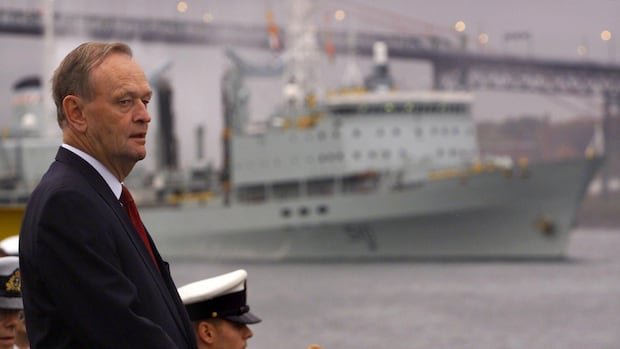


Canada, known for its opposition to the 2003 Iraq war, had considered supporting the U.S.-led invasion by deploying naval ships if authorized by the UN Security Council, as per cabinet records. The minutes from the final cabinet meetings before the invasion revealed ongoing preparations in case the UN approved military action, highlighting the ethical dilemmas faced by ministers in discussions on life and death.
The U.S. initiated the invasion under the pretext of disarming Saddam Hussein of alleged weapons of mass destruction that were never located. The conflict was framed by the Bush administration as part of the broader war on terror following the September 11 attacks. Prime Minister Jean Chrétien formally announced Canada’s decision not to participate in the U.S.-led coalition in Iraq just before the invasion.
Despite the U.S. withdrawing a resolution from the Security Council due to expected defeat, documents from a February 25, 2003 cabinet meeting suggested Canada was exploring potential military options. Minister of national defense John McCallum indicated that while ground troops were unavailable due to commitments in Afghanistan, naval assets such as warships could be redeployed if needed.
Retired general Raymond Henault confirmed that the Canadian Armed Forces were prepared to contribute to the Iraq war if Ottawa chose to join. Discussions between U.S. and Canadian officials, as revealed in a WikiLeaks memo, explored the possible use of Canadian ships in the Gulf during the invasion.
The decision to refrain from involvement in the war was a demonstration of Canada’s sovereignty, aligning with previous instances of independent decision-making. While concerns were raised within the cabinet about potential repercussions on relations with the U.S., the majority supported Chrétien’s stance and emphasized the importance of principled leadership in post-conflict efforts.
The Iraq war discussion during the cabinet meeting also delved into philosophical debates on the justification of warfare and the moral considerations of taking lives. Ministers expressed apprehensions about divisions among allies and the impact on multilateralism, issues that resonate even in 2026.
Reflecting on the emotional gravity of the decision-making process, Senator Percy Downe recalled the intense atmosphere as ministers deliberated over the prospect of Canadian involvement in a conflict that could result in loss of lives and profound societal impact.
The documents obtained shed light on the nuanced deliberations and ethical considerations that underpinned Canada’s stance during the Iraq war period, highlighting the complexities and weight of such decisions.