

With the U.S. 50% tariff deadline approaching, several businesses in British Columbia are feeling anxious about the potential impact on their financial performance.
Blaine Maryniuk, co-founder of West Coast Walls, expressed concerns, stating that the situation poses a significant threat to his business. Maryniuk mentioned that a substantial portion of his monthly sales, ranging from 25 to 50%, is directed towards the United States.
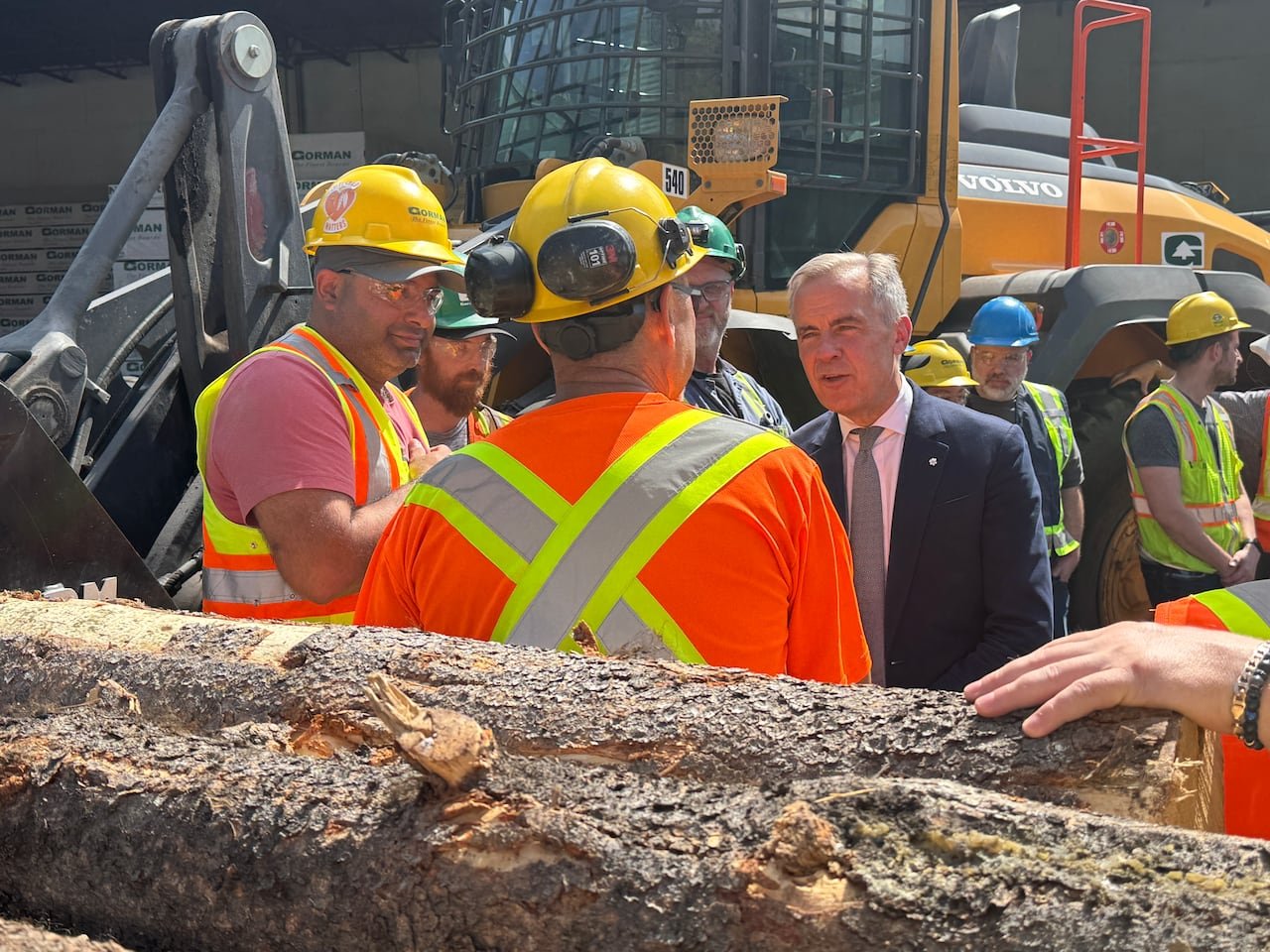
As the tariff deadline draws nearer, Prime Minister Mark Carney emphasized the delicate and intense nature of the ongoing negotiations with the U.S.

Escalation of Tariff Negotiations
Canada-U.S. Trade Minister Dominic LeBlanc and Chief Trade Negotiator Janice Charette have engaged in a series of discussions with U.S. Trade Representative Jamieson Greer in the past three weeks. The aim is not only to prevent the proposed Section 338 tariffs but also to reduce existing Section 232 tariffs on various industrial products in exchange for certain Canadian concessions.
The U.S. claims that these tariffs are in response to Canadian discriminatory practices in sectors such as automobile, dairy, and alcohol.
One of the U.S.’s demands includes the reintroduction of U.S. liquor in provincially operated stores.
Threat to Wood Product Levies
The latest set of proposed levies specifically target wood products, making British Columbia particularly susceptible to the repercussions.
Kelly Marciniw, a board member of the B.C. Log & Timber Building Industry Association, expressed concerns about potential layoffs and the survival of businesses amidst the tariff uncertainties and increased administrative burdens.
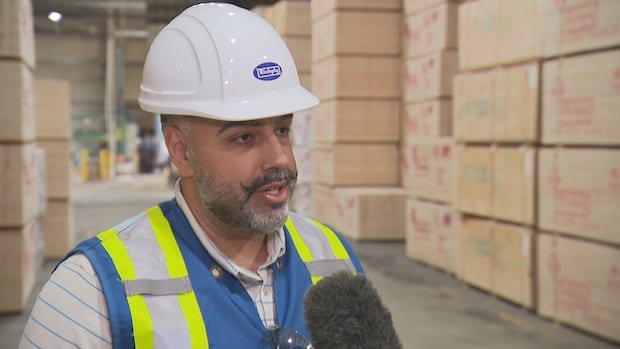
Bhavjeet Thandi, CFO of Richmond Plywood, highlighted the apprehension within his company, stating that if the tariffs are implemented, their sales to the U.S. would cease abruptly, significantly impacting their financial standing.
Approximately 20% of Richmond Plywood’s products are destined for the U.S. market.
Alex Mitchell, CEO of the Abbotsford Chamber of Commerce, highlighted that over 300 businesses in Abbotsford export to the U.S., with annual exports totaling around $1.5 billion. Many of these exporters heavily rely on the U.S. market for their business operations.
Mitchell emphasized the challenges posed by the continually evolving tariff landscape on maintaining strong trading relationships between customers and suppliers.