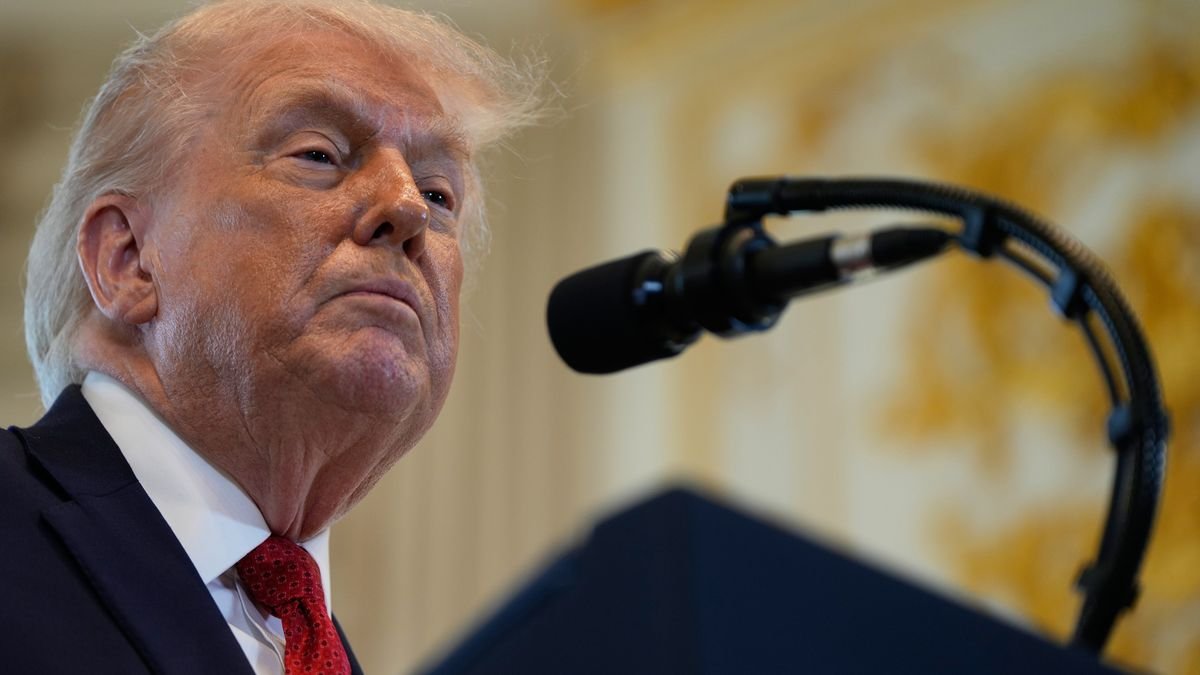


Donald Trump has announced plans to impose significant tariffs on the UK starting next month if the country continues to oppose his intentions regarding Greenland. The US President argues that owning Greenland is crucial for national security reasons and potentially for implementing a missile defense system.
In a social media post, Trump stated that he would initiate a 10% tariff on multiple countries, including the UK, from February 1st. If by June 1st, the global community does not support his acquisition of Greenland, the tariff will escalate to 25% until the US secures complete ownership of the territory.
The UK’s response, articulated by Keir Starmer, emphasizes that Greenland is part of Denmark and should be determined by the Greenlanders and Danes. Starmer also highlighted the importance of Arctic security for NATO and stressed the need for allied collaboration against common threats.
European leaders, echoing Denmark’s stance, have rejected US control over Greenland. Trump’s tariff threats are seen as a potential disruptor to NATO solidarity, with any forcible acquisition of Greenland invoking NATO’s intervention.
Trump’s rationale for the tariffs revolves around what he perceives as long-standing imbalances in trade and security arrangements. He contends that the US has subsidized European nations for years and now seeks reciprocity, especially concerning Greenland’s strategic significance.
French President Emmanuel Macron reiterated support for international sovereignty and independence, emphasizing the need for a united front against intimidation tactics. Macron affirmed France’s solidarity with Denmark and underscored the importance of Arctic security.
The situation has drawn criticism from various UK political figures, with concerns raised about the economic impact of the proposed tariffs. Ed Davey and Kemi Badenoch condemned Trump’s approach, advocating for respect for Greenland’s sovereignty and urging diplomatic resolutions.
Nigel Farage voiced dissent against the tariff strategy, warning of its adverse effects. He suggested reevaluating alternative strategic locations like Diego Garcia if concerns about Greenland’s vulnerability persist.
The escalating tensions underscore the complex geopolitical dynamics at play, with implications for global security and trade relations. The standoff between the US and its allies over Greenland’s future raises broader questions about sovereignty, international cooperation, and the balance of power.