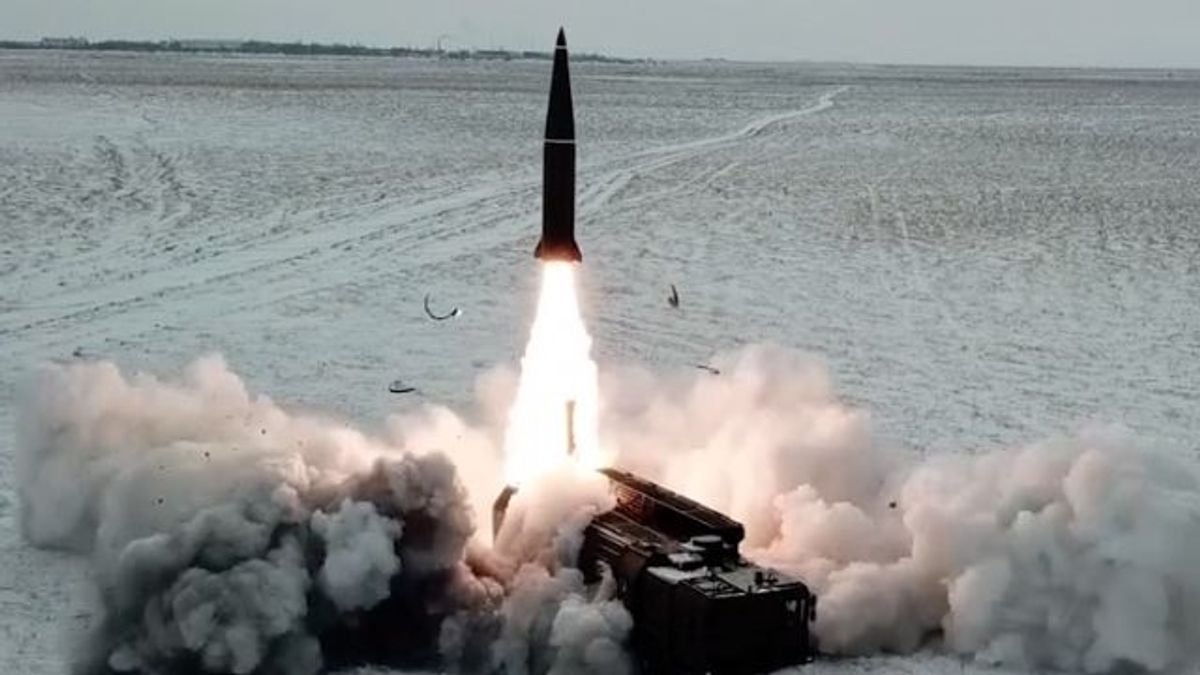


Ukrainian drones have conducted a targeted strike on a classified Russian weapons testing facility linked to Vladimir Putin. The operation aimed to disrupt the testing of powerful Oreshnik missiles. The attack, carried out by Ukrainian drones, specifically targeted the 4th State Central Inter-Service Test Range known as Kapustin Yar in the Astrakhan Region. Military sources reported that the strike successfully penetrated Russian air defense systems, damaging a key assembly and testing building at the site near the Kazakhstan border.
Intelligence reports indicate that Putin is preparing for a significant offensive against Ukraine in the coming days, potentially involving the deployment of the advanced Oreshnik “super-weapon.” One possible objective of this offensive could be a destructive campaign targeting Ukraine’s nuclear power plant substations in an attempt to coerce surrender. The disruption of these substations could lead to power shortages and heating failures, impacting the country’s energy infrastructure.
In addition to the direct military actions, Russia is also planning to increase pressure on European nations and the West to limit their support for Ukraine. The goal is to hinder Ukraine’s ability to defend against Russian attacks on critical energy facilities. The destruction or incapacitation of the substations could isolate Ukrainian nuclear power plants from the national energy grid, jeopardizing the supply of electricity and heat to the population.
The Oreshnik missile, capable of reaching speeds of up to 8,000mph, poses a significant threat not only to Ukraine but also to Europe. The weapon’s range could potentially allow it to target cities like London within minutes if launched from a base in Belarus. The Kapustin Yar range, where the recent drone strike occurred, serves as a testing ground for various missile systems, including short- and medium-range missiles, cruise missiles, air defense systems, and S-400 launchers.
As tensions escalate, civilians across Ukraine are already feeling the impact of Russia’s aggressive actions, particularly on the energy sector. A series of strikes have disrupted the country’s energy generation capabilities, leading to widespread power shortages. Ukrainian military sources have cautioned that Russia is mobilizing strategic assets, such as Tu-95 bombers and Kalibr missiles, in preparation for further offensives. The threat of a new Oreshnik attack coinciding with the Davos summit is also a cause for concern, with the intention to intimidate Western leaders and delay crucial agreements in support of Ukraine.
The recent hostilities have resulted in civilian casualties, with reports of deadly attacks on residential areas in cities like Kharkiv and damage to energy infrastructure in regions like Odesa. The ongoing conflict continues to pose a significant humanitarian and security challenge, with innocent lives at risk and critical infrastructure under threat.