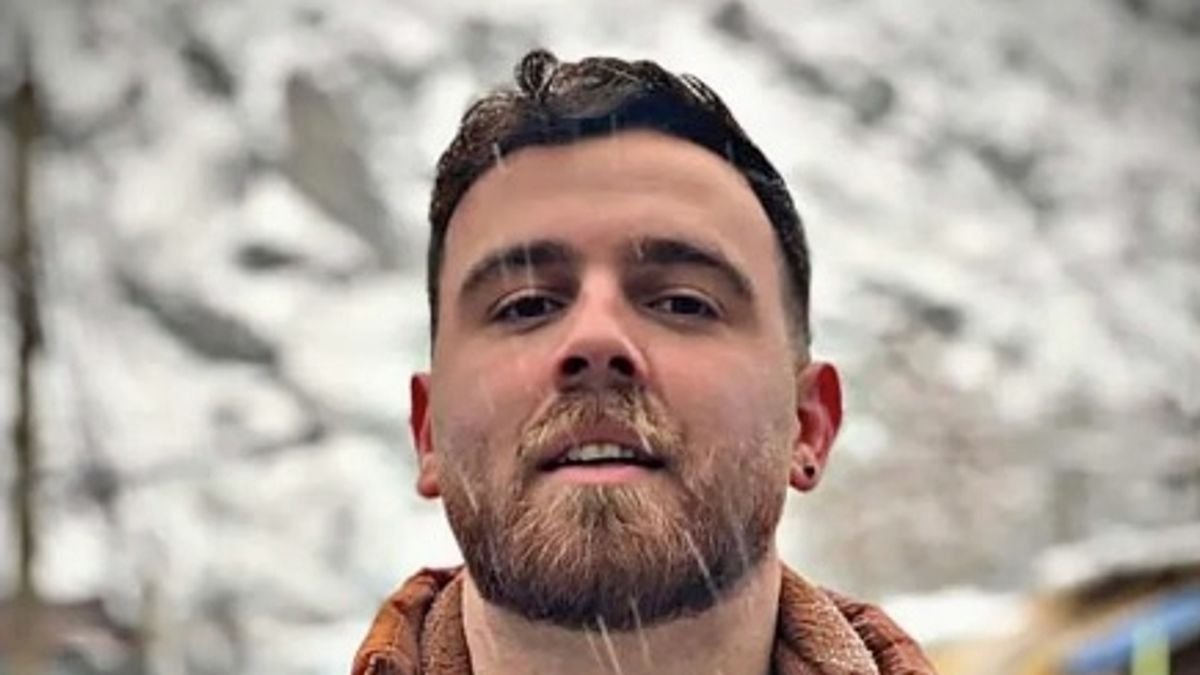


A 26-year-old clothing store owner in Iran faces imminent execution amid the government’s crackdown on widespread protests in the nation. Erfan Soltani was apprehended at his residence in Fardis, central Iran, following his alleged involvement in recent anti-government demonstrations. Human rights organizations report that Soltani is scheduled to have a brief meeting with his family before his scheduled hanging on Wednesday.
Sources indicate that Soltani did not have legal representation, and there is no information about a trial being conducted concerning his case. The distressing development coincides with reports of escalating violence and fatalities in Iran, with thousands of individuals, including security personnel, losing their lives during the ongoing anti-government unrest.
A representative from the Human Rights group Hengaw expressed concern over the swift actions being taken, noting the government’s aggressive tactics to quell dissent and instill fear among the populace. Reports suggest a significant death toll from the protests, with instances of summary executions, armed forces firing into crowds, and brutal killings taking place on the streets.
In parallel, verified footage from BBC Persian and BBC Verify corroborates accounts of Iranian security forces using force against protesters in various regions, including Tehran, Kermanshah, and Bushehr. Despite international condemnation, Iran’s President Masoud Pezeshkian has attributed the unrest to external influences, specifically blaming the US and Israel for orchestrating the disturbances.
State media outlets have reported the arrest of armed groups allegedly linked to Israel in Zahedan, further escalating tensions in the region. As authorities continue to clamp down on communications and dissent, the atmosphere in Tehran remains tense, with reports of damaged infrastructure and a heavy security presence across the city.
Local residents express apprehension about the future, particularly in light of potential external interventions, such as hinted at by US President Donald Trump. Amidst the uncertainty, individuals like Tehran shopkeeper Mahmoud and taxi driver Reza voice concerns about the ongoing protests and the broader geopolitical implications.
The situation on the ground remains volatile, with anti-riot police and paramilitary forces visible in public spaces, equipped with weapons and gear to maintain order. Reports of authorities targeting satellite communications equipment underscore the extent of the government’s efforts to control information flow and suppress dissent.
In a televised address, Supreme Leader Ayatollah Ali Khamenei praised pro-government demonstrations while issuing warnings to foreign adversaries and dissenters. The Iranian government’s firm stance against protesters, labeling them as enemies of the state, raises fears of harsh reprisals and further escalation of the crisis.
As diplomatic exchanges continue between Iran and the US, the specter of economic sanctions looms large, with President Trump announcing punitive tariffs on countries engaging with Iran. The punitive measures reflect the US administration’s strategy to leverage economic pressure to advance its foreign policy objectives amid the ongoing turmoil in Iran.
The evolving situation in Iran underscores the complex interplay of domestic unrest, international dynamics, and human rights concerns, with the fate of individuals like Erfan Soltani hanging in the balance amidst a backdrop of escalating tensions and uncertainty.