

CAUTION: This article discusses self-harm.
The Canadian Medical Association has expressed its support for the federal government’s initiative to enhance the safety of social media for minors.
In June, Ottawa unveiled Bill C-34, known as the Safe Social Media Act. This proposed legislation includes measures for age verification to stop children under 16 from making social media accounts, ensuring the swift removal of child sexual abuse content, and imposing regulations on AI chatbots.
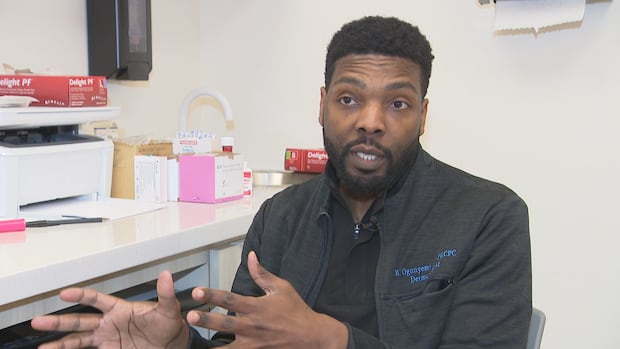
Dr. Bolu Ogunyemi, president of the CMA and a dermatologist from St. John’s, emphasized that it is crucial for Canada to confront tech companies in order to safeguard its young and vulnerable population.
He discussed the tangible harms he has witnessed stemming from the digital landscape during a conversation with Adam Walsh from CBC’s The Signal.
This interview has been condensed for brevity and clarity.
Adam Walsh: You’ve been involved with Bill C-34 from the beginning. Can you provide an overview?
Dr. Bolu Ogunyemi: The technology giants have reaped profits by capturing the attention of Canadian children for far too long. We believe that the time for action has come.
We are observing rising instances of bullying, anxiety, depression, hatred, and sexual violence—especially among girls—as well as extremist content, all of which are accessible online without adequate safety measures or regulations. The repercussions are evident not only in hospitals and clinics but also permeate schools and various other environments. It is imperative that we address this issue.
-
Video
CBC’s David Common discusses with a mental health expert about teens relying on AI for emotional support
-
Teens are already navigating social media independently. They argue that a ban would only worsen the situation
What are your observations about young people today?
I encounter numerous children daily, and the increase in these issues is becoming more apparent.
Pediatricians, family physicians, and child psychiatrists are all reporting higher rates of anxiety and depression.
Sadly, I frequently see individuals with marks and scars from self-harm.
Can you elaborate on self-harm?
Self-harm can be a coping mechanism for those grappling with severe anxiety. It typically manifests on the forearms and wrists; some describe experiencing a sense of relief.
While social media is not the sole contributor, it certainly plays a role. This is why action is necessary.
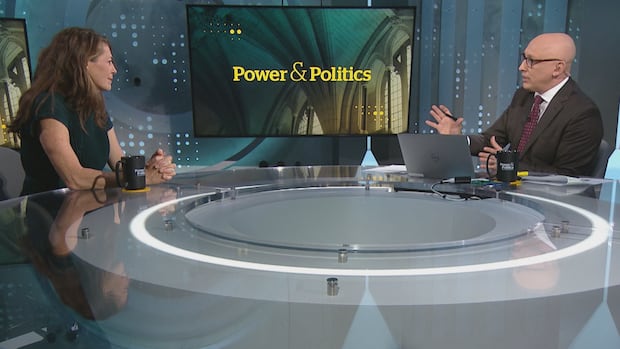
Australia was the first nation to enforce a social media ban for those under 16, but is it effective? Are there lessons for Canada to learn before introducing its own digital safety legislation? Professor Amanda Third from Western Sydney University and a digital rights adviser for the United Nations shares her insights with Power & Politics.
What makes you optimistic that this legislation could be effective?
There is a notable change in public perception.
Australia enacted its ban in December of the previous year. Despite the continued presence of children on social media, there has been a decline in usage overall.
Moreover, surveys indicate that the public now considers a higher age acceptable for children to engage on social media. Where once it was thought acceptable for ages 10, 11, or 12, many are now suggesting that 13 or 14 is more appropriate. This marks a significant shift.
What do you foresee regarding the future of this legislation?
The second component of the Act addresses emerging risks or compliance issues from specific platforms, allowing for easier reporting mechanisms. If numerous complaints arise, there are methods to enforce stricter regulations.
Additionally, we must consider where children will go and what they will do if they are, hopefully, engaging less with social media. I have had the privilege of meeting with [Minister of Canadian Identity and Culture Marc Miller] on a couple of occasions and have stressed the necessity for coordination with other ministries for a comprehensive strategy. For instance, we require safer community environments.
We need to ensure that green spaces are accessible and provide alternative activities for individuals in marginalized communities, whether offline or, if online, to do so safely.
Any closing remarks?
It is essential to equip ourselves with various tools to create a safer online experience for all Canadians, particularly for our youth, who represent our future. This proposed legislation is one approach to achieving that goal.
Should children under the age of 16 be prohibited from opening social media accounts? A new bill in Canada aims to protect minors from the dangers of social media, even if it means restricting their access. In this episode, our guests, the president of the Canadian Medical Association and a mental resilience coach with a PhD specializing in youth health, discuss how a social media ban for youth can be effectively implemented.
If you or someone you know is in need of assistance, here are some resources:
- Canada’s Suicide Crisis Helpline: Call or text 988.
- Provincial and territorial mental health resources.
- Kids Help Phone: 1-800-668-6868. Text 686868. Live chat counseling available on their website.
- This guide from the Centre for Addiction and Mental Health provides advice on how to discuss suicide with someone you are concerned about.
Download our free CBC News app to receive push alerts for CBC Newfoundland and Labrador. Sign up for our daily headlines newsletter here. Click here to visit our landing page.