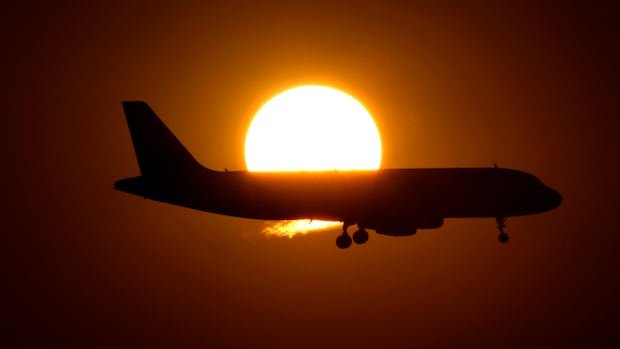


Flight crews, especially flight attendants and pilots, face a higher risk of dying from radiation-related cancers compared to those working with radioactive materials, as per a recent study. Cosmic radiation, originating from space and particularly intense at high altitudes, poses a significant exposure risk to individuals in flight-related occupations.
The study, published by JAMA Internal Medicine, analyzed data from over 12 million death certificates, focusing on cancer types linked to radiation exposure. Among more than 500 professions, flight attendants had the highest percentage of radiation-related cancer deaths, followed by pilots. These occupational groups showed elevated odds of succumbing to various radiation-related cancers compared to the general working population.
The research challenges the assumption that flight crews’ increased risk of skin cancer stems from sunny layovers, suggesting that the cockpit environment may play a more critical role. Flight attendants exhibited a 50% higher likelihood of dying from radiation-related cancers than the average working population, with pilots also facing a 36% higher risk. However, the study authors acknowledged limitations, such as the inability to quantify individual exposure levels and potential misclassification of occupations on death certificates.
The study emphasized the need for heightened awareness and vigilance regarding radiation exposure risks among flight crews. Suggestions included regular skin examinations for high-altitude workers, earlier or more frequent mammograms for female crew members, and increased vigilance for cancer during medical evaluations of pilots and flight attendants. The Federal Aviation Administration’s lack of federal dose limits or monitoring requirements for aircrews’ radiation exposure was also highlighted as an area needing attention.