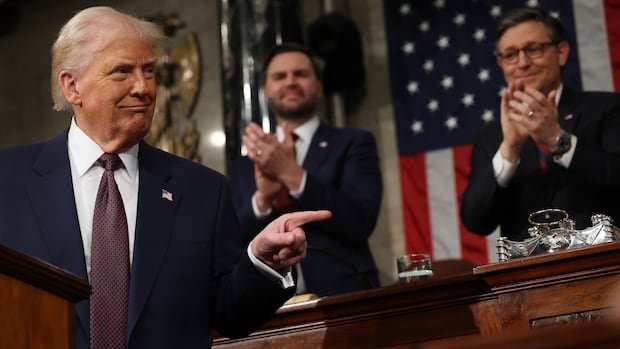


Republicans are preparing for the upcoming U.S. midterm elections in November, facing increased pressure to defend their majority in the House as Democrats gain ground in key races. The outcome of these elections holds significance beyond congressional power balance, as a Democratic victory in both the House and Senate could enable investigations into the Trump administration, policy challenges, and influence over legislative direction.
While a shift in Congress may not limit the president’s ability to act, it raises questions about the potential impact on Trump’s authority. Experts discuss the implications of a party turnover on Trump’s powers and its effects on Canada-U.S. trade relations.
The role of Congress in shaping policy changes is highlighted, with a focus on Trump’s reliance on executive orders for decision-making. Despite potential Democratic control, Trump’s use of executive power, such as declaring emergencies and national security matters, has demonstrated his ability to bypass congressional approval for actions like military interventions and tariff implementations.
The discussion also touches on the limitations of Congress as a check on presidential power and the significance of the court system in this regard. Even with a Democratic majority, Trump’s strategy of using veto power to block unfavorable legislation and reliance on executive orders suggests a continued pursuit of his agenda, regardless of election outcomes.