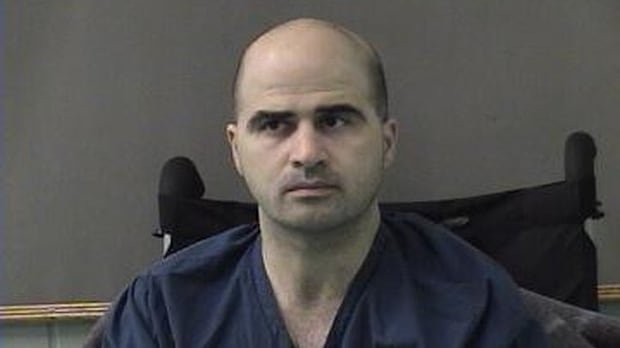


The ex-U.S. army officer found guilty of murdering 13 individuals in the 2009 shooting spree at Fort Hood, Texas, is set to face a firing squad execution in December, marking the first U.S. military execution in more than 65 years. Acting U.S. Army Secretary Adam Telle announced on social media that army Major Nidal Malik Hasan will be executed on Dec. 3 at Fort Hood following approval from U.S. President Donald Trump.
The news surprised a lawyer who had represented Hasan in a civil case and raised concerns among military law experts regarding the execution process and notification procedures for inmates sentenced to death. Questions arose about the formation of the firing squad and the specific procedures to be followed, as the last military firing squad execution occurred shortly after World War II.
The execution process was initiated when Trump approved the execution on Oct. 2, triggering the army regulations that mandate an execution date to be set within 60 to 150 days after approval. While the execution method will be by firing squad, specific details such as the location on the base, the composition of the squad, and the procedures were not disclosed by Telle.
Requests for more information from Pentagon officials and the army regarding the execution details were declined. The absence of specific protocols for different execution methods in army regulations led experts to suggest that historically, a blank cartridge was used to create uncertainty among shooters about who fired the fatal shot during firing squad executions nearly 80 years ago.
Hasan, a former army psychiatrist, carried out the shooting at a medical building in Fort Hood, claiming it was to prevent soldiers from deploying to Afghanistan. Despite being barred from presenting his defense during the trial, Hasan made minimal efforts to defend himself in court. Legal experts highlighted the possibility of Hasan challenging the execution through a Habeas Corpus petition in federal civilian court, potentially leading to a prolonged legal process.
Following the recent resumption of federal executions, Hasan’s case adds to the rare instances of death sentences within the military justice system, with executions being even scarcer. The rush to conduct Hasan’s execution raised concerns among legal representatives and experts, particularly regarding the notification process and Hasan’s medical condition, as he is paralyzed from the waist down.
Before the decision to execute Hasan at Fort Hood, speculation arose that the army might consider seeking assistance from states like South Carolina or Utah, known for reinstating firing squads for executions. South Carolina’s firing squad protocol involves three volunteer shooters standing a specific distance from the prisoner, who is secured to a chair, aiming at the heart without prior warning to the prisoner.
South Carolina’s recent executions by firing squad have involved specific procedures and investments in facilities, indicating a potential model for the army to follow. The state’s approach includes the use of live ammunition and stringent protocols to ensure the execution process.